


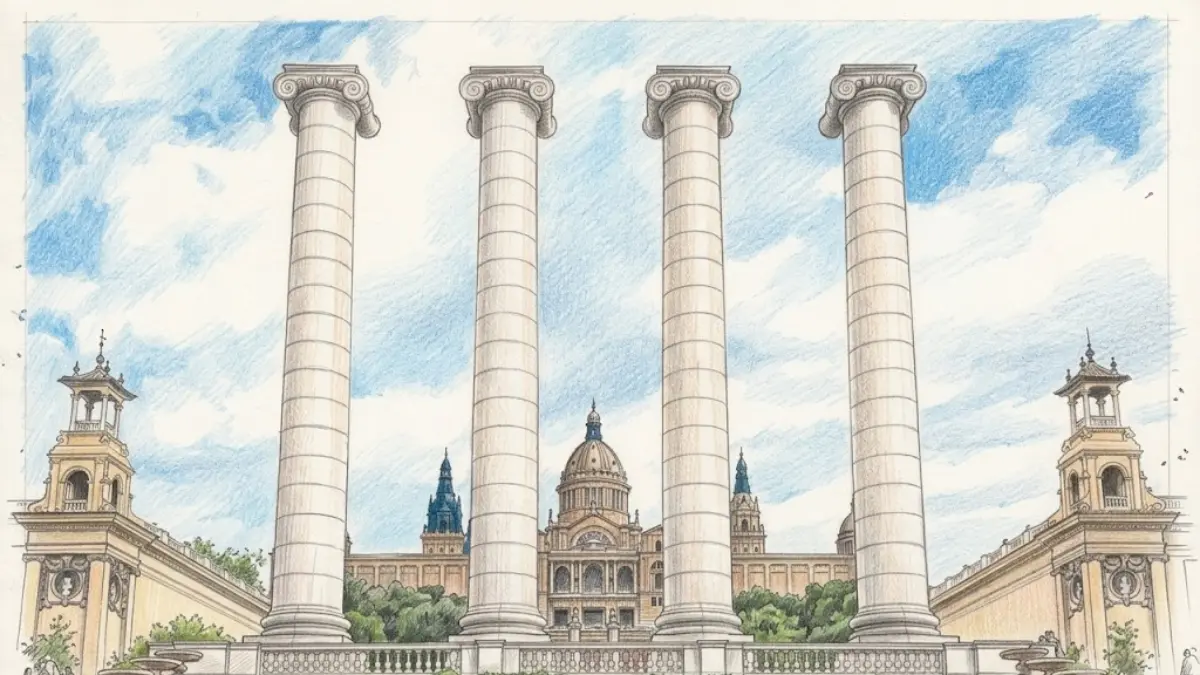
Few hills pack in as much as Montjuïc. At just 173 metres high, this hill overlooking Barcelona’s port holds an 18th-century castle, world-class museums, hidden gardens and some of the most photographed viewpoints in the city. If you’re wondering what to see in Montjuïc, the short answer is: much of Barcelona’s recent history, from the 1929 International Exposition to the 1992 Olympic Games. This guide walks through the essentials — plus a few corners most visitors miss — so you can make the most of your time on the hill.
Places to Visit in Barcelona…
- Tibidabo
- Parc de la Ciutadella
- Laberint d’Horta
- Jardí Botànic de Barcelona
- Zoo de Barcelona
- Aquàrium de Barcelona

Everything you can see in Montjuïc
Before we dive into detail, here’s everything this guide to what to see in Montjuïc covers, at a glance:
Viewpoints and panoramic spots
- Montjuïc Castle
- Mirador de l’Alcalde
- Jardins de Miramar
- Las Arenas rooftop
- MNAC steps (Palau Nacional)
- Montjuïc Municipal Swimming Pool
1929 Expo and 1992 Olympics heritage
- Magic Fountain (Font Màgica)
- Palau Nacional (MNAC)
- Mies van der Rohe Pavilion
- CaixaForum
- Venetian Towers and Plaça d’Espanya
- Poble Espanyol
- Olympic Ring (Stadium, Palau Sant Jordi, Calatrava Tower)
Art and museums
- MNAC
- Fundació Joan Miró
- CaixaForum
- Joan Antoni Samaranch Olympic and Sports Museum
- Museu Etnològic i de Cultures del Món
Gardens and nature
- Barcelona Botanical Garden
- Mossèn Costa i Llobera Gardens
- Joan Brossa Gardens
- Laribal and Joan Maragall Gardens
- Mossèn Cinto Verdaguer Gardens
Hidden corners
- Teatre Grec
- Montjuïc Cemetery
- Montjuïc Lighthouse
- Fossar de la Pedrera
- La Foixarda climbing area
- Sala Montjuïc (open-air summer cinema)
How to get up
- Montjuïc Funicular
- Montjuïc Cable Car
- Bus 150
- On foot
Montjuïc tourist map
The best photo spots and viewpoints in Montjuïc
Let’s start with what most people come up here for: the views.
- Montjuïc Castle: the hill’s signature panorama. From its walls and the Santa Elena moat you can take in the port, the Mediterranean and much of the Poble-sec neighbourhood below. Much of the fortress you see today dates from a rebuild led by military engineer Juan Martín Cermeño between 1753 and 1779, though the site itself has been used defensively for much longer.
- Mirador de l’Alcalde: the mid-way stop on the cable car’s downhill route, with one of the widest open views over the city — no need to hike all the way to the castle.
- Jardins de Miramar: a quieter lookout with the port spread out below, best visited just before sunset to avoid the crowds.
- Las Arenas rooftop: from the top of this former bullring next to Plaça Espanya you get a full view down the Magic Fountain axis. You can reach it via the escalators inside the shopping centre or a paid panoramic lift on the outside.
- MNAC steps: the classic angle for photographing the Magic Fountain, Avinguda Maria Cristina and the Venetian towers on Plaça Espanya, especially as the sun goes down.
- Montjuïc Municipal Swimming Pool: the open-air pool that hosted the diving events at the 1992 Olympics, with the Barcelona skyline as a backdrop. It opens to the public over the summer months; check the exact seasonal dates before visiting.
1929 Expo and 1992 Olympics heritage
Montjuïc has hosted two events that reshaped Barcelona: the 1929 International Exposition and the 1992 Olympic Games. Most of what you’ll see on the hill today grew out of one or the other.
- Magic Fountain (Font Màgica): the city’s best-known light, water and music show, designed by architect Carles Buïgas for the 1929 Exposition. It’s free to watch and typically runs several evenings a week during the summer season, usually starting around 9:30 pm, though the exact calendar shifts by season and can change for maintenance or events — it’s worth checking the current schedule on the City Council’s website before you go.
- Palau Nacional (home of the MNAC): the most photographed building on Montjuïc, built between 1926 and 1929, with a dome inspired by St Peter’s Basilica in Rome.
- Mies van der Rohe Pavilion: the German pavilion from the 1929 Exposition and a landmark of architectural rationalism. It was dismantled after the fair and faithfully rebuilt in 1986; inside you’ll find the famous Barcelona chair and the sculpture Alba by Georg Kolbe.
- CaixaForum: housed in the former Casaramona textile factory, a Modernista building by Josep Puig i Cadafalch, now a cultural centre.
- Venetian Towers and Plaça d’Espanya: the classic gateway into Montjuïc, and one of the most photographed junctions in Barcelona.
- Poble Espanyol: a recreation of traditional Spanish architecture built for the same 1929 Exposition. We’ve covered it in detail in its own post, so here it’s simply worth flagging as a must on any Montjuïc route.
- Olympic Ring (Anella Olímpica): the Lluís Companys Olympic Stadium, the Palau Sant Jordi arena, the Bernat Picornell swimming pools and the Calatrava-designed communications tower, all built for the 1992 Games.
Art and museums on the hill
Montjuïc is also one of Barcelona’s great cultural hubs.
- MNAC: home to one of the most complete collections of Catalan Romanesque and Gothic art in the world, alongside modern art holdings. It’s worth at least an hour, even if you only step inside for the grand oval hall.
- Fundació Joan Miró: the museum dedicated to the artist’s work, designed by Josep Lluís Sert and opened in 1975. We have a full post on it with opening hours and everything you need for your visit.
- CaixaForum: its temporary exhibition programme changes several times a year, so it’s worth checking what’s on before you head up.
- Joan Antoni Samaranch Olympic and Sports Museum: opposite the Olympic Stadium, an interactive museum dedicated to the history of sport and the Olympic movement, with a strong focus on the 1992 Barcelona Games.
- Museu Etnològic i de Cultures del Món: next to the Laribal Gardens, home to around 70,000 objects from cultures worldwide, framed around a reflection on our own heritage.
Gardens and nature: Montjuïc’s quieter side
Away from the main tourist routes, Montjuïc hides some of Barcelona’s prettiest green spaces — great for photos without the crowds.
- Barcelona Botanical Garden: over 2,000 Mediterranean plant species from around the world, planted inside former quarry pits in the Foixarda area.
- Mossèn Costa i Llobera Gardens: a cactus and succulent garden with sea views, one of the hill’s most distinctive corners.
- Joan Brossa Gardens: once home to Montjuïc’s amusement park, now a green space with giant musical instruments and structures — a great option if you’re travelling with kids.
- Laribal and Joan Maragall Gardens: terraced paths down the hillside, the latter wrapping around the Palauet Albéniz.
- Mossèn Cinto Verdaguer Gardens: ponds and seasonal flowers, a favourite spot for locals out for an unhurried walk.
Hidden corners most visitors skip
- Teatre Grec: an amphitheatre inspired by the ancient theatre of Epidaurus, built for the 1929 Exposition. Every summer it hosts the Grec performing arts festival.
- Montjuïc Cemetery: a monumental cemetery with artistically significant tombs and the curious Museum of Funeral Carriages.
- Montjuïc Lighthouse: a lighthouse from 1906, largely inactive today but with coastal views almost nobody photographs.
- Fossar de la Pedrera: inside Montjuïc Cemetery, a memorial space dedicated to the victims of the Spanish Civil War and Francoist repression, including the tomb of president Lluís Companys. A quiet, historically weighty spot well off the usual tourist trail.
- La Foixarda climbing area: a free, open-air urban climbing wall, one of the largest in Europe, set inside a former tunnel next to the Botanical Garden. Check the current state of the routes on site before climbing with your own gear.
- Sala Montjuïc: every summer, the Santa Eulàlia moat at the Castle hosts this open-air cinema season, screening classics and new releases in original version with live music beforehand. In 2026 it runs from 10 July to 5 August; check the programme and book tickets ahead of time.
How to get up to Montjuïc
- Montjuïc Funicular: integrated into the metro network, departing from Paral·lel station (lines L2 and L3).
- Montjuïc Cable Car: connects Parc de Montjuïc with the Castle, climbing 84.5 metres in elevation, with a midway stop at the Mirador de l’Alcalde.
- Bus 150: climbs to the top of the hill, stop by stop, for anyone who’d rather skip the walking.
- On foot: the slowest option but also the most photogenic, especially if you go up through the Laribal or Miramar gardens.
Hotel Arc La Rambla, your base for exploring Montjuïc
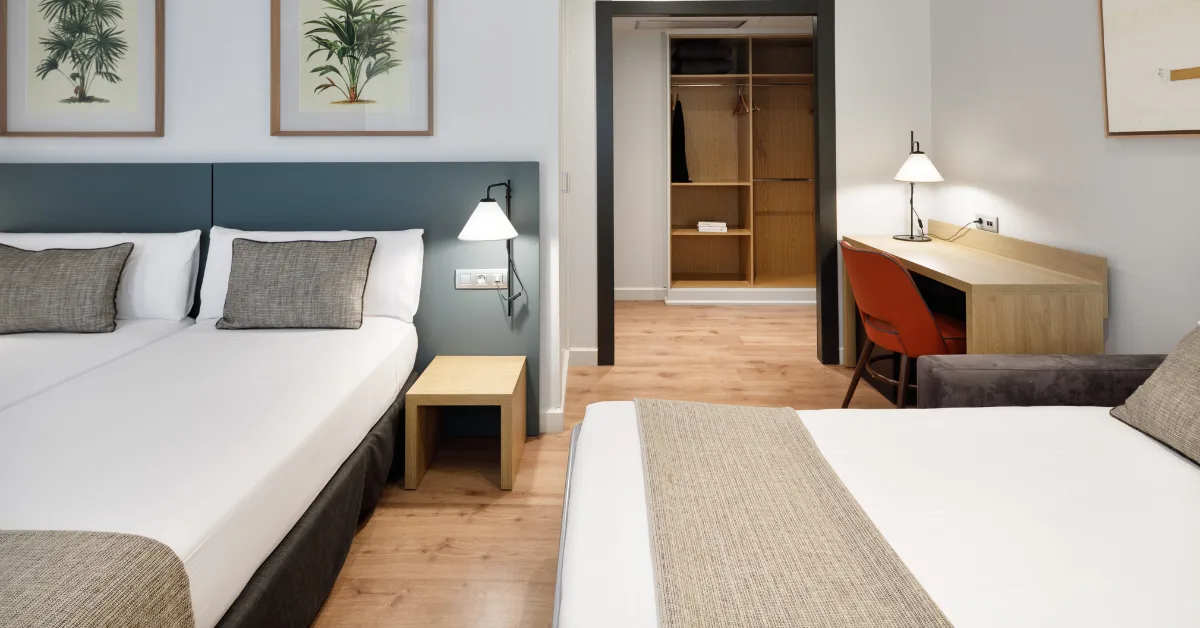
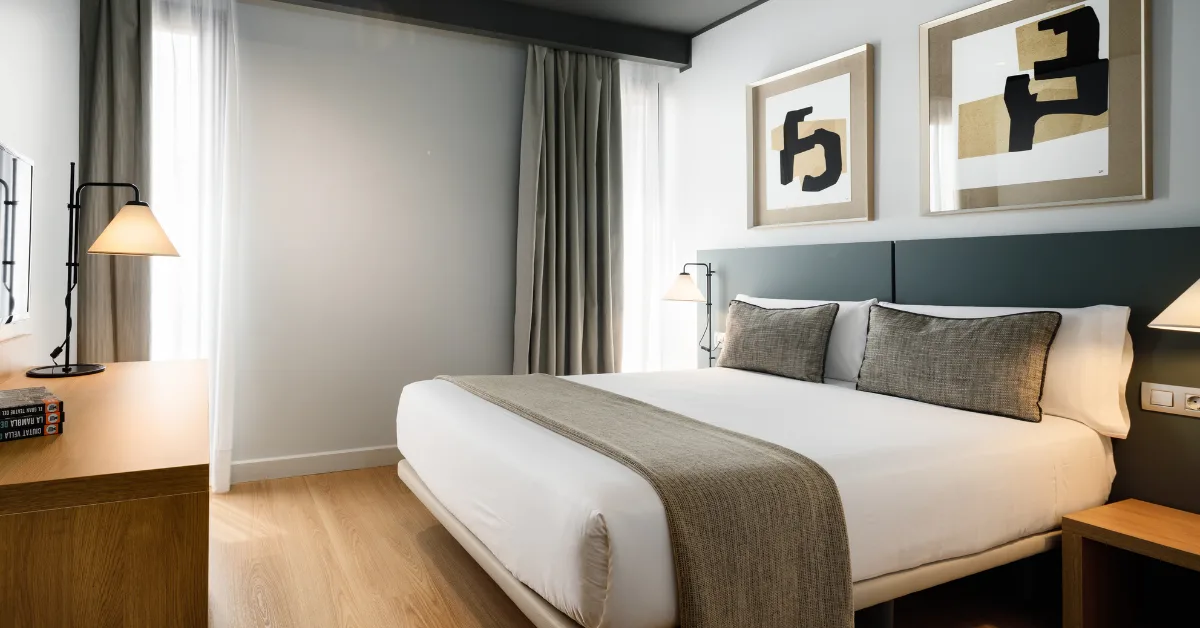
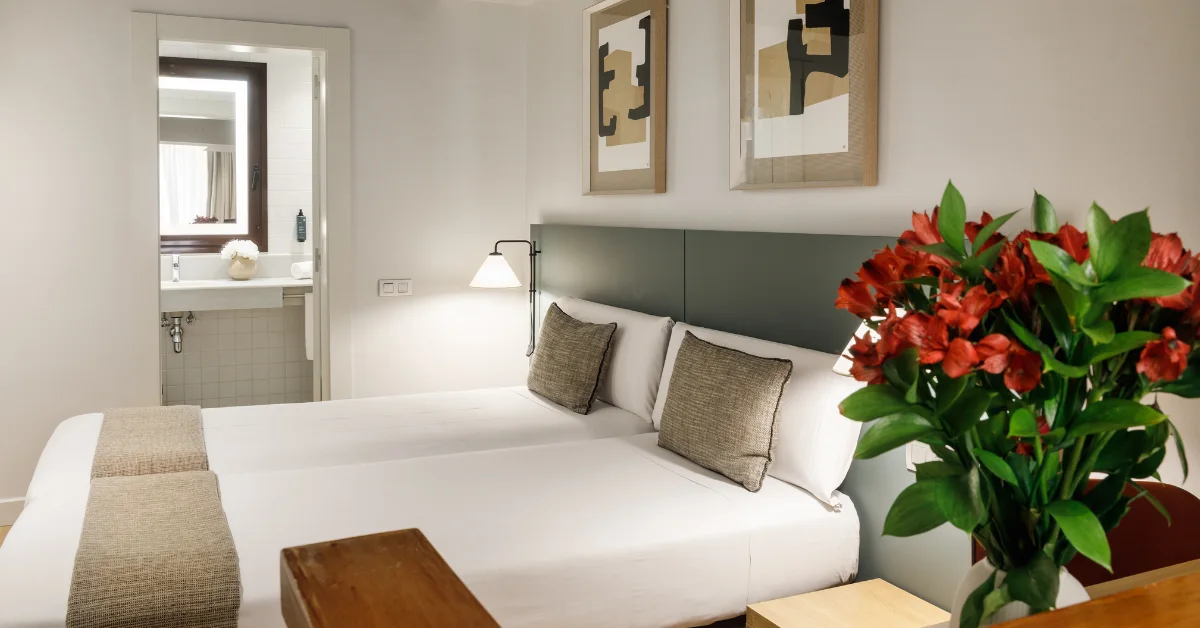
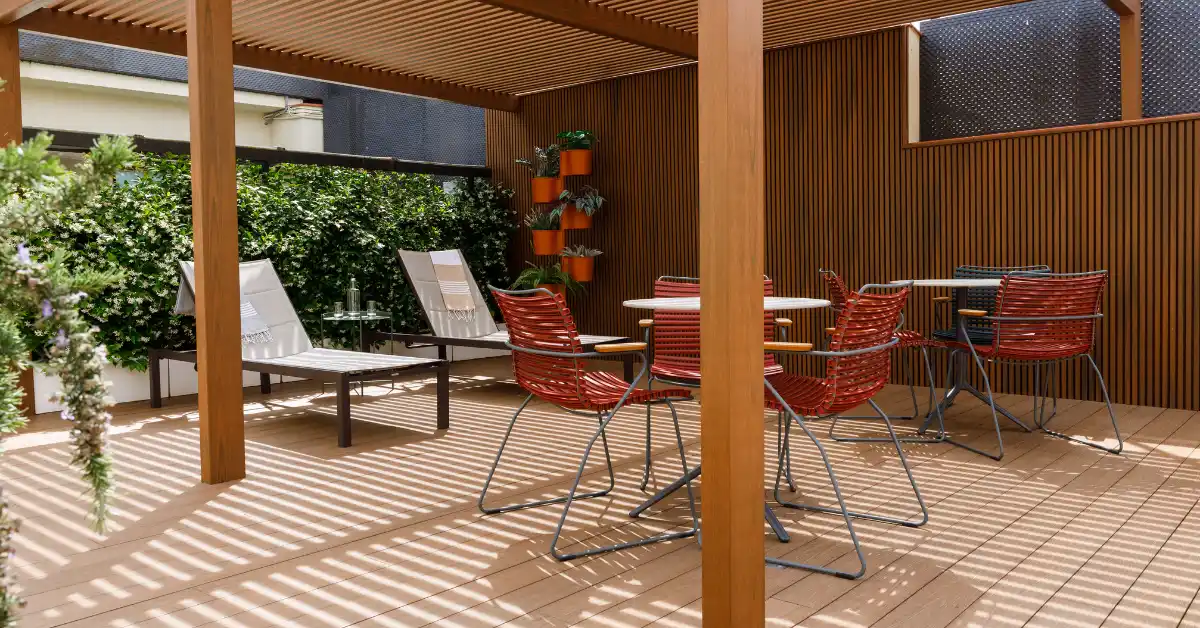
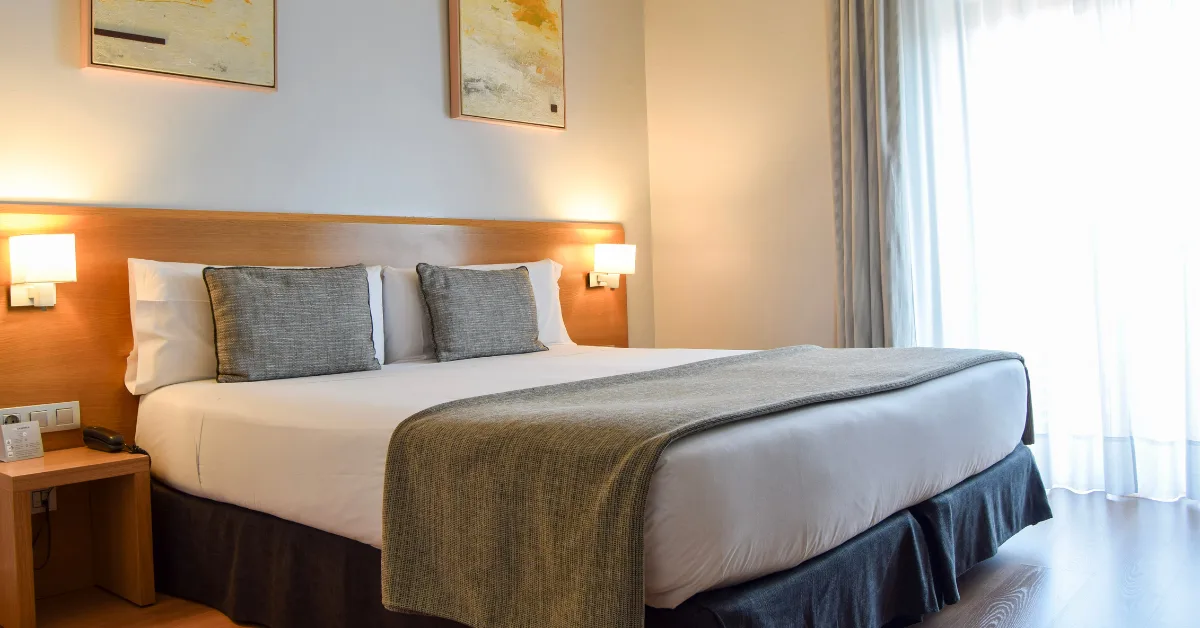
Staying at Hotel Arc La Rambla, on La Rambla 19-21, puts you a short walk from Drassanes metro station (L3), from where it’s a quick ride with a single change at Paral·lel to reach the Montjuïc funicular. It’s a comfortable combination if you want to dedicate a full morning to the hill and be back at the hotel by mid-afternoon to rest before exploring the rest of the city. If you’re arriving by plane, you can skip the queues and surprises by booking a private transfer with Welcome Pickups straight to the hotel’s door: a driver will be waiting for you at the arrivals hall with a sign bearing your name, for a fixed price agreed in advance. We have a full post on the service with all the details. If you book directly on our website, remember the code ARCBLOG for a 15% discount.

Frequently asked questions about Montjuïc
How much time do I need to see Montjuïc?
Half a day is enough to cover the main viewpoints and one or two museums. If you want to visit the Castle, the MNAC and stroll through the gardens at a relaxed pace, set aside a full day.
Is the Magic Fountain show free?
Yes, the light, water and music show is completely free and open to the public, with no tickets or reservations required.
How do I get to Montjuïc from Hotel Arc La Rambla?
Walk to Drassanes station (L3) and change at Paral·lel to catch the Montjuïc funicular, or take a bus or taxi directly to the park.
Can you walk up to Montjuïc Castle?
Yes, though it’s a demanding climb. Most visitors prefer combining the funicular and cable car, or bus 150, to get there without tiring themselves out.
What’s the best time of day to photograph Montjuïc?
Sunset, both for the views from the Castle and the lookouts, and for watching the Magic Fountain light up as evening sets in.
What to see in Montjuïc with kids?
The Joan Brossa Gardens with their giant musical instruments, the Botanical Garden, and the cable car ride tend to be the favourites with younger travellers.
Book your stay near Montjuïc
If Montjuïc is on your must-see list, having your hotel a step from the metro makes the day much easier. Check availability at Hotel Arc La Rambla and use the code ARCBLOG when booking directly on our website.


