


Barcelona is a very easy city to enjoy as a family: compact, flat, with a beach and a huge range of things aimed at younger visitors. There are family guided tours —dramatised visits, treasure hunts, workshops— at museums and monuments, plus foolproof classics such as the Zoo, the Aquarium, Tibidabo, CosmoCaixa, Parc de la Ciutadella and a golondrina boat trip around the harbour. The key is to alternate culture with outdoor time and not overload the day: two big activities a day is usually plenty. Many museums are free for children and young kids travel free on public transport.

Barcelona, a city that’s kind to children
Travelling with children completely changes how you explore a city, and Barcelona works in your favour. The centre is compact and pedestrian-friendly, almost everything is close by, the weather is on your side for much of the year and, on top of that, there’s a beach within the city: an invaluable resource when the little ones need to burn off energy after a morning of sightseeing.
Add to that something many visitors discover as they go: a good share of the city’s museums and monuments run their own family programmes, with adapted visits, workshops and games. You don’t have to choose between culture and fun; here they almost always go together.
Guided tours designed for children
If you want children to actually understand what they’re looking at (rather than just follow along), family visits are the best investment. These are the formats that work best:
Dramatised and historical visits
Tours where a guide plays characters or turns history into storytelling. At the Born Centre de Cultura i Memòria, for example, there are family visits around the archaeological site of 1700s Barcelona in which children get to play period games on the ruins themselves. The Gothic Quarter and its legends also lend themselves brilliantly to a storytelling format.
Treasure hunts and gymkhanas
These turn an ordinary walk into an adventure: riddles, maps and challenges spread across a neighbourhood or a museum. It’s the format that works best with children aged 6 to 12, because it gives them a goal and keeps them engaged between stops.
Workshops in museums and gardens
Many venues combine a short visit with a creative workshop: building an insect hotel at the Botanical Garden, experimenting at CosmoCaixa or discovering traditional crafts at the Poble Espanyol. They usually have a recommended minimum age and limited places, so it’s worth booking.
Adapted audio guides at the big monuments
Casa Batlló, La Pedrera and the Sagrada Família offer highly visual routes, with audio guides and content aimed at younger audiences too. They’re a good half-day indoor option, ideal for escaping the heat or a rainy day.
The best family plans, by type


Animals and nature
Barcelona Zoo, inside Parc de la Ciutadella, is the absolute classic, with its Komodo dragon area and its primates. And the Aquarium, in Port Vell, has an ace up its sleeve: the 80-metre underwater tunnel with sharks gliding over your head. Guaranteed impact at any age.
Science and discovery
CosmoCaixa is probably the most rewarding museum to visit with children: its flooded forest, the planetarium and the hands-on areas do the work for you. It also has dedicated spaces for the youngest visitors, from babies up to age 6.
Parks and the outdoors
Parc de la Ciutadella is the city’s family lung: the great cascade, the giant mammoth for the obligatory photo, play areas and rowing boats on the lake. Other big hits are Parc Diagonal Mar, with its lake and slides, and the Parc del Laberint d’Horta, with its historic gardens.
⚠️ Note: the famous cypress maze at Parc del Laberint d’Horta has been closed for restoration works. The rest of the park is still a great plan, but check the maze’s status before going if that’s your main reason.
Sea and harbour
A golondrina boat trip around the harbour (about 40 minutes) is one of the plans that works best with children: it’s short, you see the city from the sea and it leaves from the jetty by the Columbus Monument. Add the Barceloneta beaches and your afternoon is sorted.
Thrills and heights
Tibidabo Amusement Park combines century-old rides with the best views in Barcelona. For teenagers with energy to spare, Bosc Urbà (next to the Fòrum) offers ziplines, bridges and high-ropes circuits, with family routes from age 8.
Plans by age
| Age | What works best |
|---|---|
| 0-3 | Parc de la Ciutadella, the beach, CosmoCaixa’s baby spaces, a golondrina trip |
| 4-7 | Zoo, Aquarium, Tibidabo, parks with play areas, museum workshops |
| 8-12 | Treasure hunts and dramatised visits, CosmoCaixa, Poble Espanyol, Bosc Urbà |
| Teenagers | Gaudí and Modernisme, a bike tour, high-ropes sports, the beach and Port Olímpic |
Practical tips for visiting Barcelona with children
- Don’t cram the schedule: two big activities a day is a realistic pace. Leave gaps for parks, ice creams and naps.
- Alternate indoors and outdoors: a museum in the morning and a park or the beach in the afternoon works far better than two cultural visits back to back.
- Make the most of free entry: many museums and monuments are free for children under a certain age, and young kids travel free on public transport. Check each case.
- Book ahead for family activities with a workshop: places are usually very limited.
- Watch the heat in July and August: plan outdoor visits for early morning or late afternoon, and always carry water and a hat.
- Pushchairs and the metro: most stations have lifts, but not all. In the old town, with narrow cobbled streets, a baby carrier is sometimes easier.
- Meal times: people eat late in Spain. If the children can’t wait, the markets and city-centre bars serve at any hour.
- Local festivals: if your trip coincides with La Mercè (late September), you’ll get castellers, parades and giants free across the city. A brilliant plan.
Hotel Arc La Rambla, a convenient base for family travel
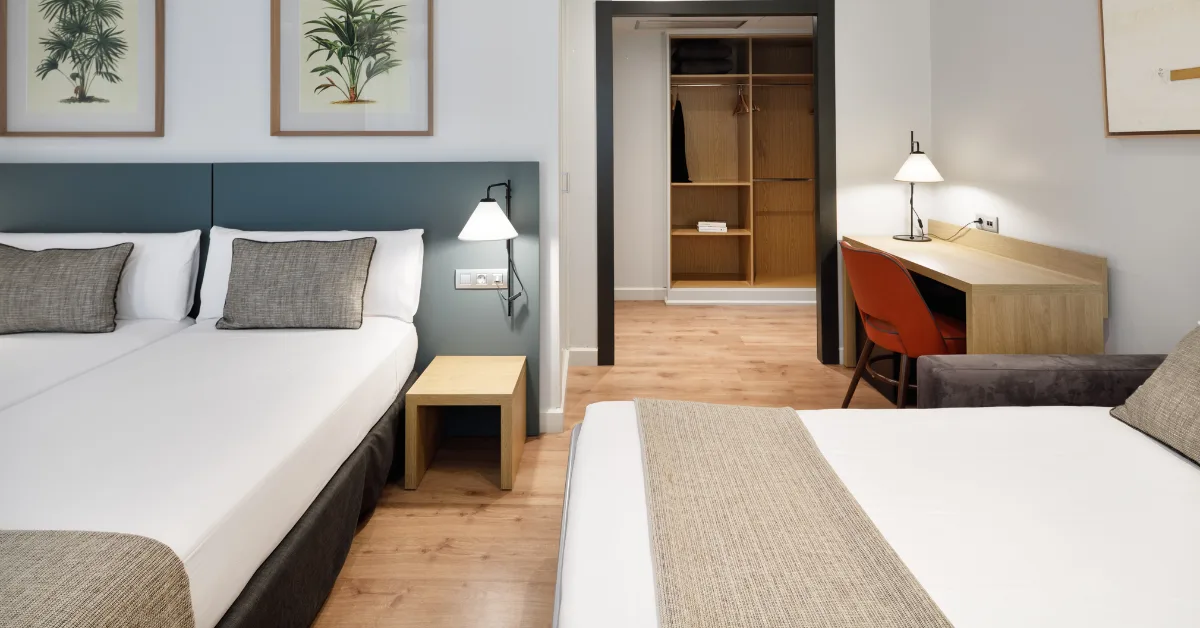
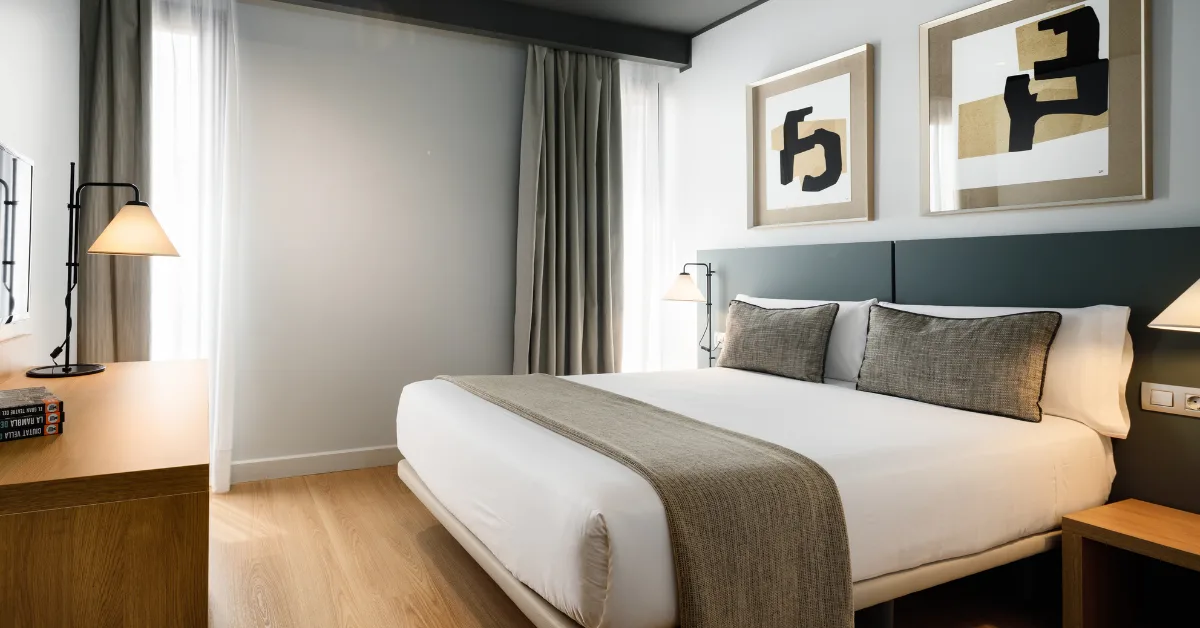
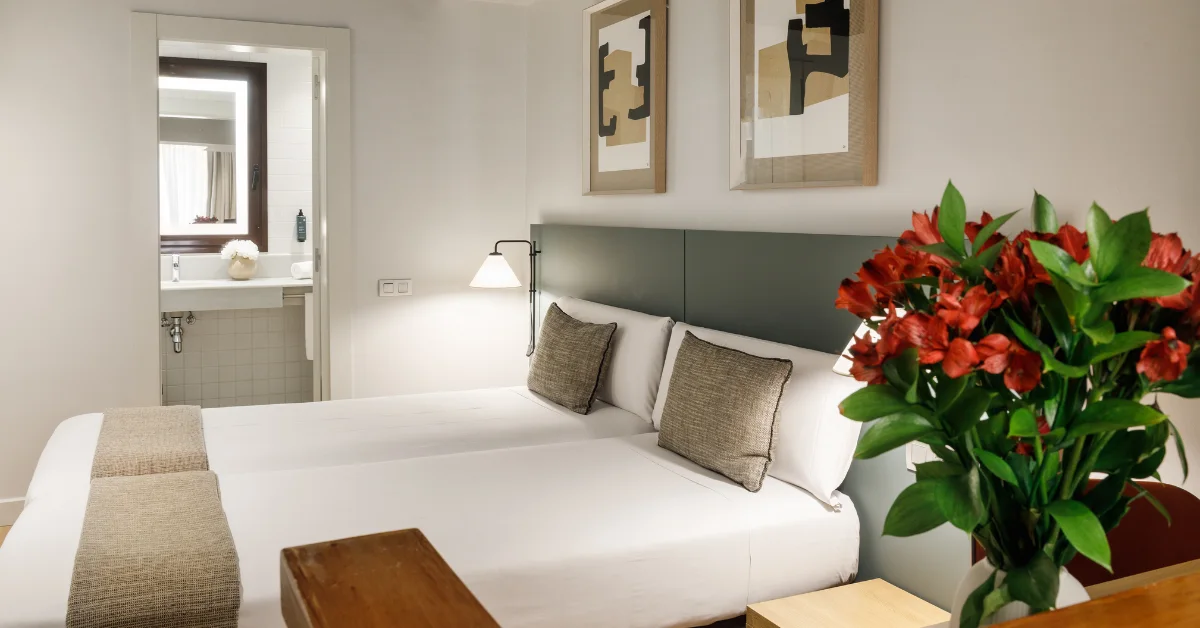
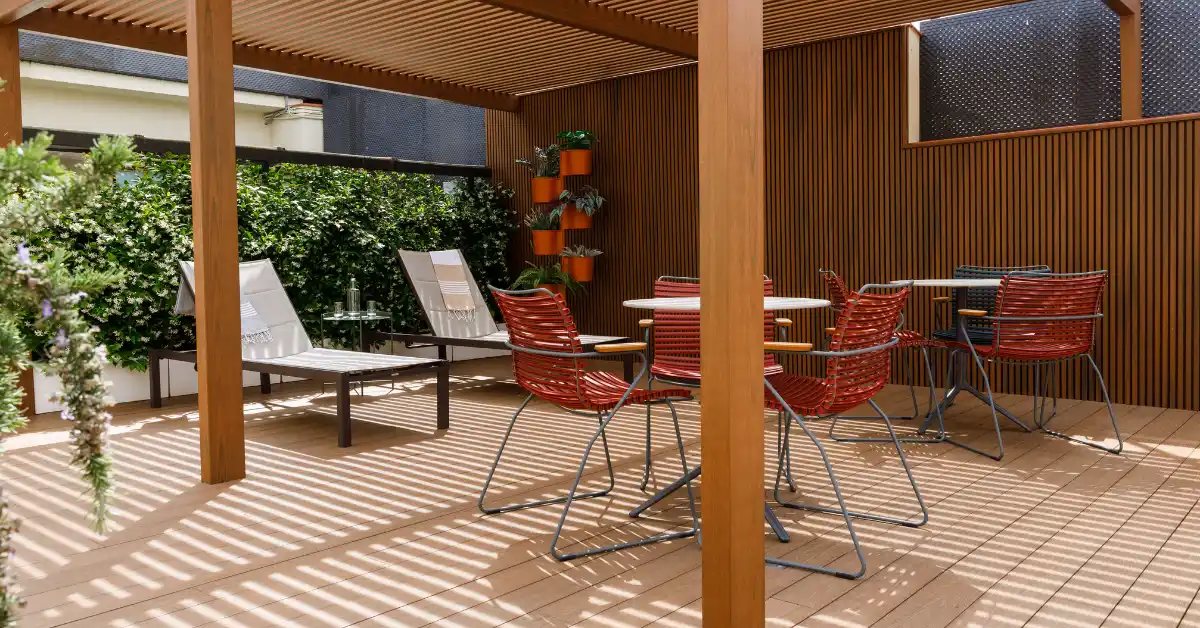
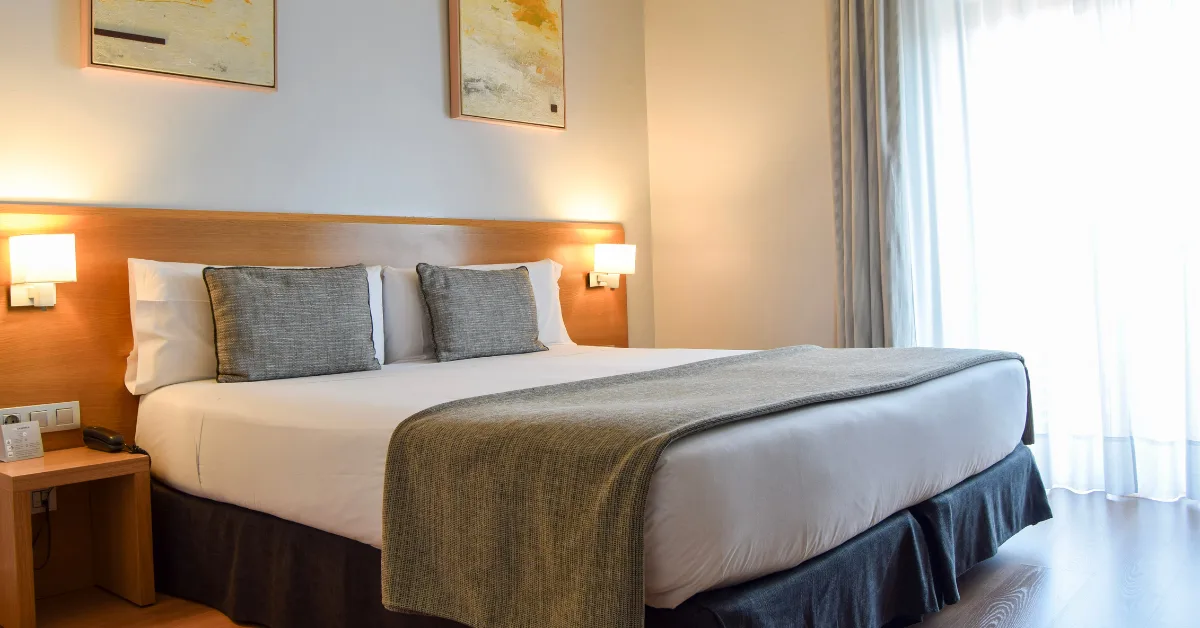
When you travel with children, location is everything: being able to head back to the hotel mid-afternoon for a rest makes all the difference. Hotel Arc La Rambla (La Rambla 19-21, next to Drassanes metro, L3) is right in the centre, a few minutes’ walk from Port Vell, home to the Aquarium and the golondrinas jetty, with a direct metro to the rest of the city. Beach, harbour and old town, all without needing a car.
💡 Book on our website with the code ARCBLOG and enjoy a special perk as a blog reader.
Barcelona with kids — frequently asked questions
What can you do in Barcelona with kids over a weekend?
A weekend allows for two or three big plans. A combination that works very well is to spend one morning at the Aquarium or the Zoo, another at CosmoCaixa or Tibidabo, and save the afternoons for Parc de la Ciutadella, the beach or a golondrina trip around the harbour. The important thing is not to string together more than two big activities a day.
Are there guided tours for children in Barcelona?
Yes, and they’re very varied: dramatised visits where a guide plays historical characters, treasure hunts and gymkhanas around neighbourhoods such as the Gothic Quarter, and family workshops in museums, gardens and cultural centres. Many have a recommended minimum age and limited places, so it’s worth booking in advance.
What’s the best plan in Barcelona with very young children?
With children aged 0 to 3, short outdoor plans are the most rewarding: Parc de la Ciutadella, with its lake and play areas, the beach, and a golondrina trip around the harbour, which lasts about 40 minutes. CosmoCaixa also has spaces designed specifically for the youngest visitors.
Is Barcelona easy to get around with a pushchair?
Generally yes: the city is flat and public transport is well adapted, though not every metro station has a lift. In the old town, with narrow cobbled streets, many families prefer a baby carrier. Young children travel free on public transport.
What can you do in Barcelona with kids when it rains?
Rainy days are perfect for indoor plans: CosmoCaixa and its hands-on areas, the Aquarium and its shark tunnel, or the great Modernista monuments such as Casa Batlló and La Pedrera, which offer highly visual routes with audio guides adapted for younger visitors.


