


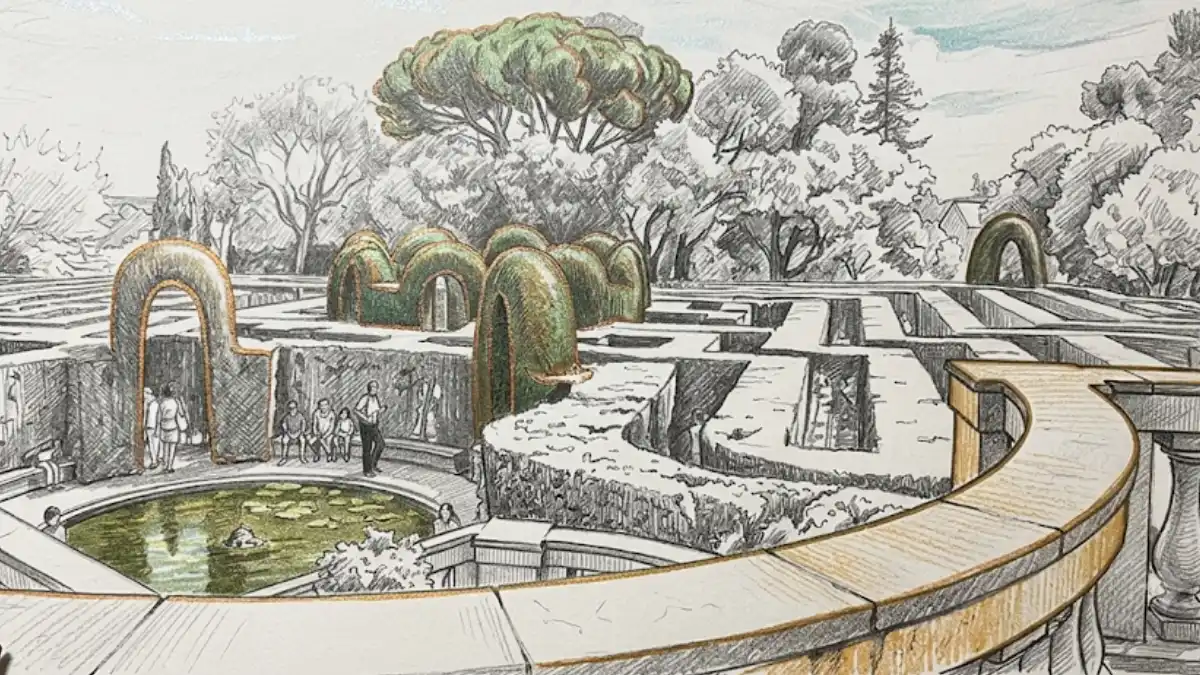
The Parc del Laberint d’Horta is the oldest historic garden preserved in Barcelona, a haven of peace away from the tourist bustle, in the Horta-Guinardó district. Designed in 1791, it combines a neoclassical garden —with its famous cypress maze— and a 19th-century Romantic garden, with mythological sculptures, fountains, ponds and a small palace. Admission costs €2.23 (reduced €1.42) and is free on Wednesdays and Sundays. It opens daily (10:00-20:00 in summer; 10:00-18:00 in winter). Metro: Mundet (L3). Note: the maze is closed for works until early 2027.
Places to Visit in Barcelona…
- Montjuïc
- Tibidabo
- Parc de la Ciutadella
- Jardí Botànic de Barcelona
- Zoo de Barcelona
- Aquàrium de Barcelona

What is the Parc del Laberint d’Horta?
At the foot of the Collserola hills, far from Las Ramblas and the crowds, hides one of Barcelona’s most magical and least-known corners: the Parc del Laberint d’Horta. It’s the oldest garden preserved in the city and a genuine garden-museum, where architecture and nature merge in a stroll full of romanticism. Its neoclassical pavilions, mythological sculptures, fountains and famous cypress maze make it a unique place, much loved by locals and still little visited by tourists. A perfect plan for switching off and discovering another Barcelona.
History: from aristocratic estate to garden-museum
The park began as the private garden of a noble family. In 1791, Joan Antoni Desvalls i d’Ardena, Marquis of Llupià and Alfarràs —an enlightened man passionate about science, art and nature— commissioned the design from the Italian architect Domenico Bagutti. The result was an elegant neoclassical garden with an Italian air, conceived as a kind of living museum to impress his guests. During the 19th century it was expanded with a Romantic garden, and kings such as Charles IV and Ferdinand VII walked its paths.
The family handed the estate over to the City Council, which opened it as a public park in 1971. In 1994 a thorough restoration raised it to the status of protected historic garden. Today, to preserve it, capacity is limited (around 750 people at a time).
What to see in the Parc del Laberint d’Horta?


The cypress maze
It’s the feature that gives the park its name and its great icon: a maze formed by precisely trimmed cypress walls, at whose centre awaits the statue of Eros, the god of love. Getting lost among its green walls is a classic, especially fun for children. Important: the maze is closed for restoration works (including replacing all the cypress trees), expected until early 2027; it’s worth bearing in mind, though the rest of the park more than justifies the visit.
The neoclassical and Romantic gardens
The park is divided into two areas of different character. The neoclassical garden, the oldest, revolves around the theme of Love and arranges the space in terraces with the maze, the temples of Ariadne and Danaë and the pavilion. The Romantic garden, from the 19th century, evokes instead the melancholy and death typical of that movement, with corners like the Hermit’s Cabin, a water channel that was originally navigable and exotic elements such as the Chinese Gate, a vestige of a former oriental garden.
Sculptures, fountains and the Desvalls Palace
Scattered throughout the grounds are sculptures from Greek mythology, temples, ponds, fountains and a cascade, in a play of water that makes use of the sloping terrain. Next to the entrance stands the Desvalls Palace (the family’s small palace), which preserves elements as old as a defensive tower, though its main body dates from the late 18th century.
A botanical treasure
The park is also a small botanical paradise. Among its trees are cypresses, holm oaks, pines, oaks and lime trees, as well as more exotic species such as a Himalayan cedar and a sequoia, some catalogued as trees of local interest. In the Garden of Love blooms the agapanthus, known as “the flower of love”, which tints the most romantic corners violet.
What are the Parc del Laberint d’Horta opening hours in 2026?
| Season | Hours |
|---|---|
| April to October | Every day, 10:00 – 20:00 |
| November to March | Every day, 10:00 – 18:00 |
| 25 December | 10:00 – 14:00 |
How much does it cost to enter the Parc del Laberint d’Horta in 2026?
| Ticket type | Price (2026) |
|---|---|
| General admission | €2.23 |
| Reduced (under-14s, disability, Youth Card) | €1.42 |
| Wednesdays and Sundays | Free |
| Under-5s, retirees, unemployed and Horta residents | Free |
💡 Tip: it’s one of the cheapest plans in Barcelona (just €2.23!), and free on Wednesdays and Sundays. On free days there tend to be more people and capacity is limited, so go early. Remember to bring a card: you can’t pay in cash.
How to get to the Parc del Laberint d’Horta?
The park is at Passeig dels Castanyers, 1, in the Montbau neighbourhood (Horta-Guinardó), at the foot of Collserola.
| Transport | Line / Detail | Stop |
|---|---|---|
| Metro | Line 3 (green) | Mundet (5-10 min walk) |
| Bus | Lines 27, 60, 76, H4, V21… | Nearby stops |
From the centre, the easiest option is to take the metro (L3) to the Mundet stop and walk up for a few minutes. As it’s on the outskirts, in a quiet setting, it’s worth checking the City Council’s route planner to work out your journey.
Practical tips for your visit
- Bear in mind that the maze is closed for works until (expected) early 2027; the rest of the park remains open.
- Bring a card: admission is paid by card only, not cash.
- Go on a Wednesday or Sunday for free entry, but early, as capacity is limited.
- Dogs, food, balls, bikes and scooters are not allowed.
- Allow 1 to 2 hours to stroll calmly through the two gardens.
- Combine it with a trip to the Bunkers del Carmel or Park Güell, both in the same upper part of the city.
What to see near the Parc del Laberint d’Horta
| Place | Why visit |
|---|---|
| Bunkers del Carmel | The best 360º viewpoint in Barcelona, in the same upper area |
| Park Güell | Gaudí’s masterpiece, reachable on the L3 |
| Parc del Guinardó | One of the city’s great green spaces |
| Old town of Horta | Charming alleys around Plaça d’Eivissa |
| Collserola | The great natural park, for walking in nature |
Hotel Arc La Rambla, your base for discovering Barcelona
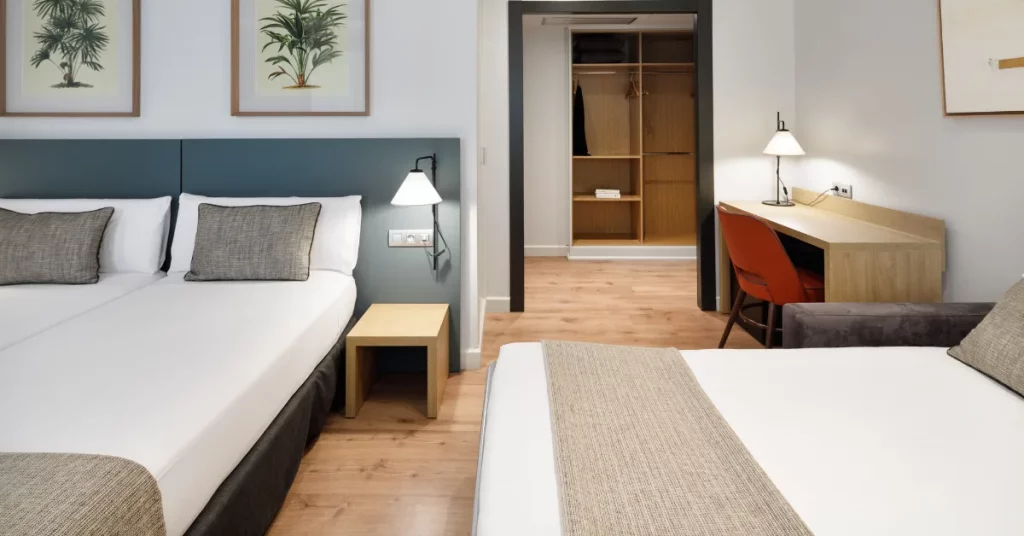
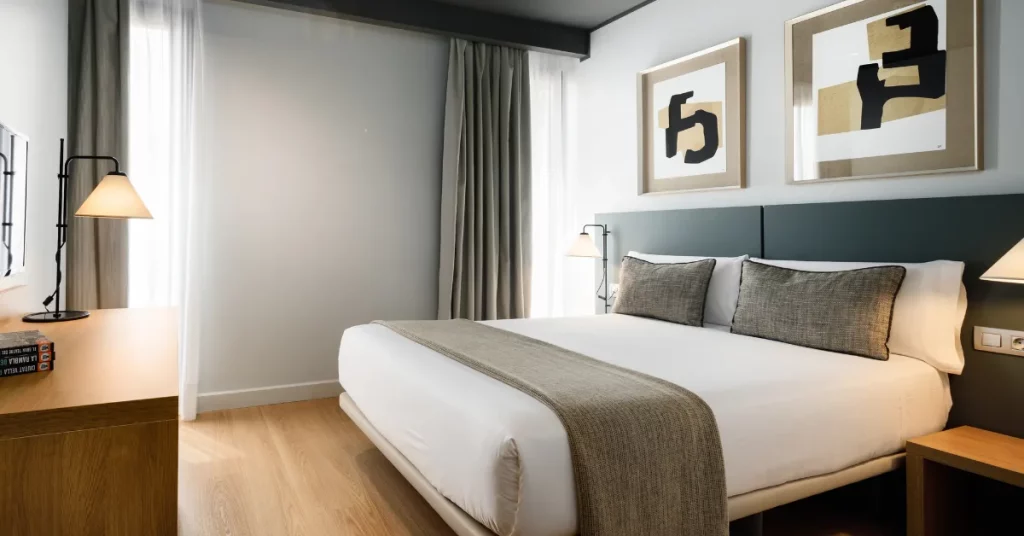
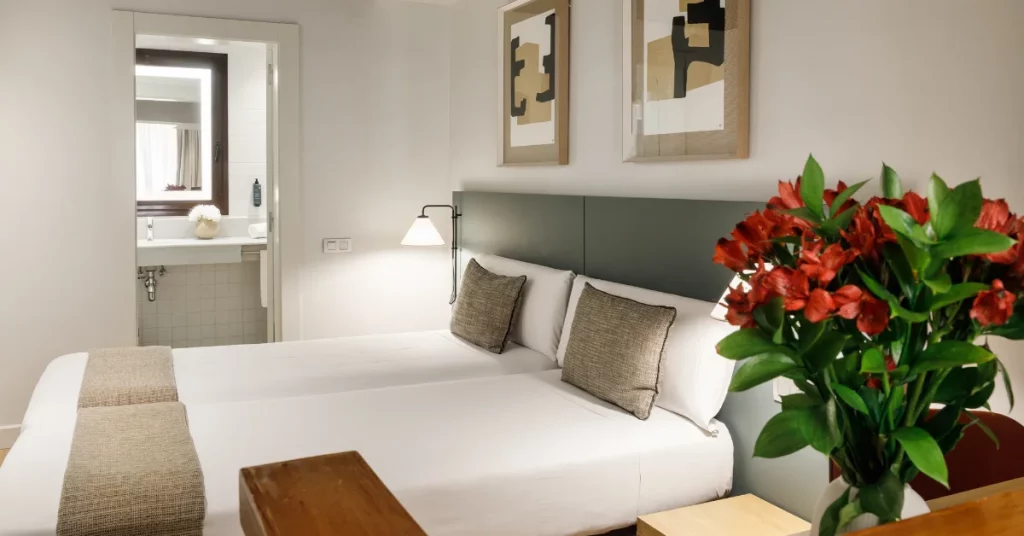
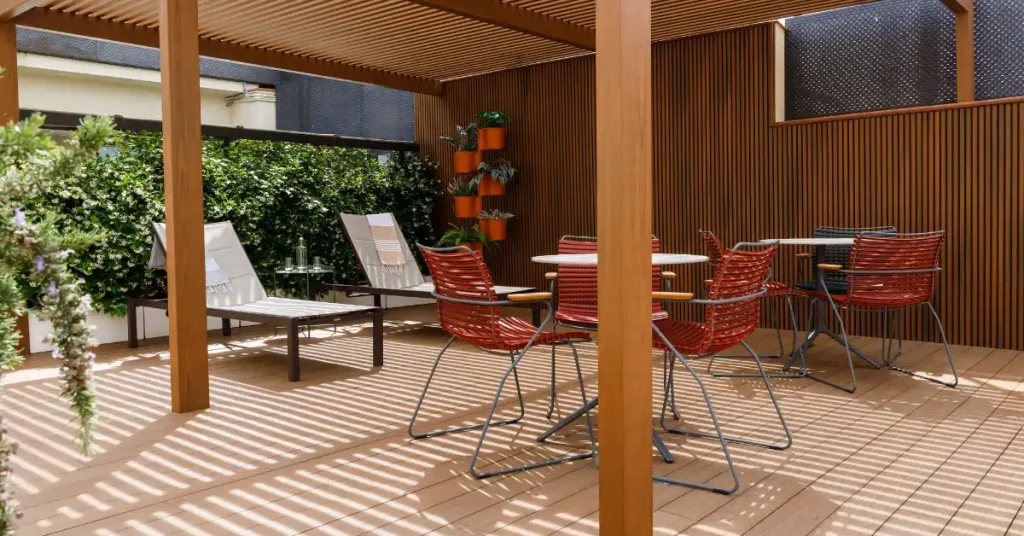
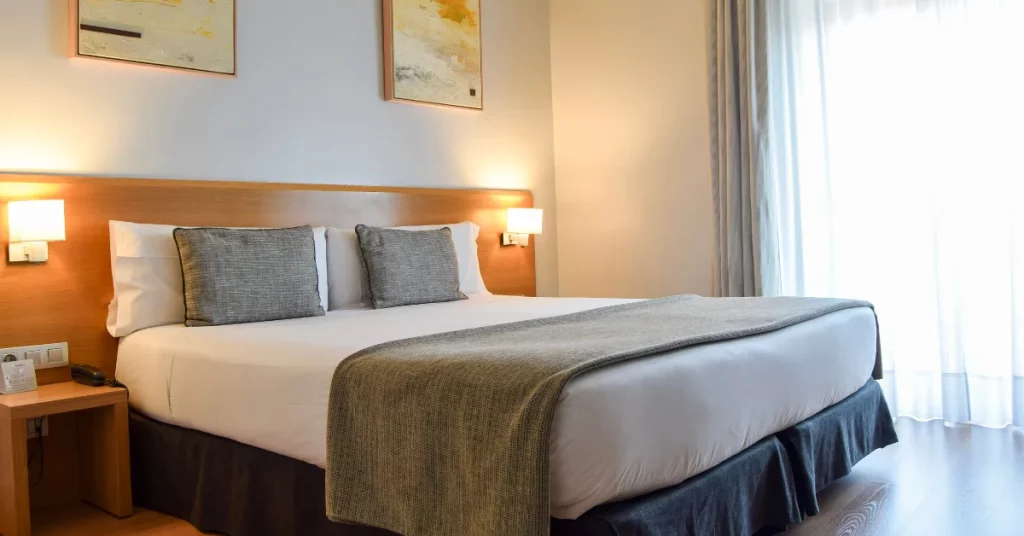
From Hotel Arc La Rambla (La Rambla 19-21, next to Drassanes metro, L3), getting to the Parc del Laberint d’Horta is easy: metro line 3, which passes through Drassanes, takes you straight to the Mundet stop with no changes. A perfect getaway for discovering the quieter, greener Barcelona, which you can combine with Park Güell or the Bunkers del Carmel, before returning to the centre to enjoy the Gothic Quarter, Las Ramblas and the harbour, all steps from the hotel.
💡 Book on our website with the code ARCBLOG and enjoy a special perk as a blog reader.
Parc del Laberint d’Horta — frequently asked questions
How much does it cost to enter the Parc del Laberint d’Horta?
General admission costs €2.23 and reduced €1.42 (for under-14s, people with disabilities and Youth Card holders). Entry is free on Wednesdays and Sundays, as well as for under-5s, retirees, unemployed people and residents of the Horta district. Payment is by card only.
What are the Parc del Laberint d’Horta opening hours?
It opens every day: April to October from 10:00 to 20:00, and November to March from 10:00 to 18:00. On 25 December it closes at 14:00. Tickets stop being sold one hour before closing.
Can you visit the cypress maze?
Not at the moment. The cypress maze has been closed since early 2025 and, expectedly, until early 2027, for improvement works that include renewing the paving and irrigation, restoring the sculptures and replacing all the cypress trees. The rest of the park remains open as normal.
Why is the Parc del Laberint d’Horta famous?
It’s the oldest historic garden preserved in Barcelona, designed in 1791. It stands out for its cypress maze, its combination of neoclassical and Romantic gardens, its mythological sculptures and its great botanical value. It’s a protected garden-museum, a haven of peace away from mass tourism.
How do you get to the Parc del Laberint d’Horta?
It’s at Passeig dels Castanyers, 1, in the Montbau neighbourhood. The nearest metro is Mundet (Line 3), about a 5-10 minute walk. Several bus lines also stop nearby.


