


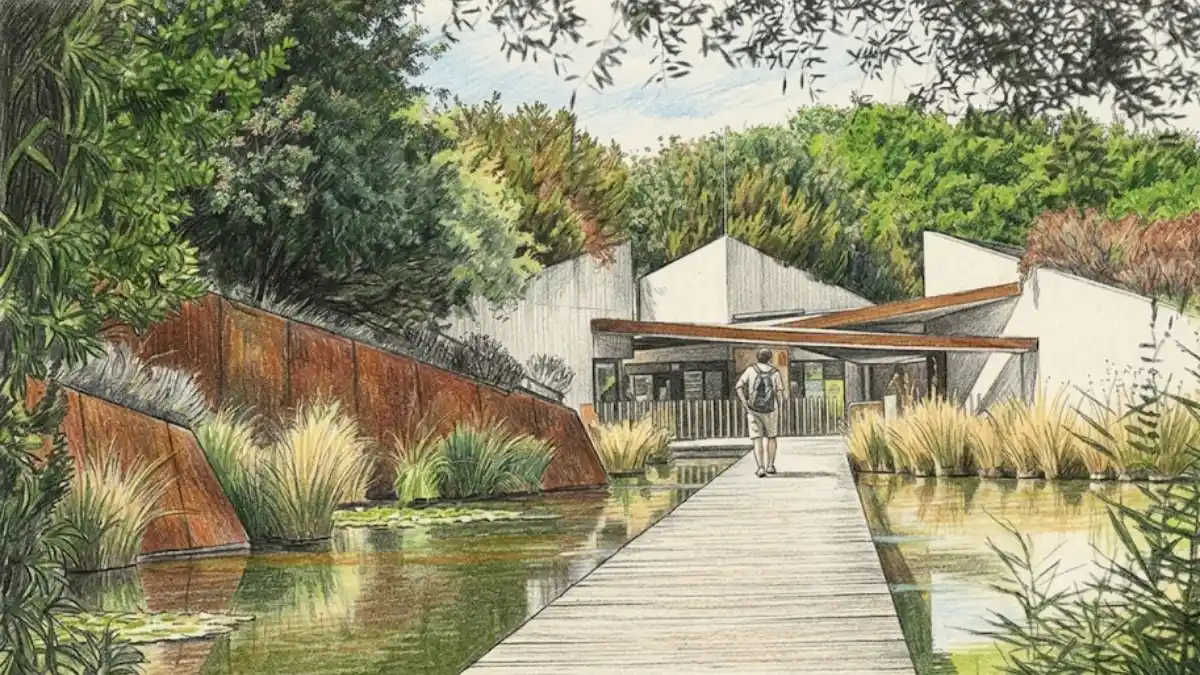
The Jardí Botànic de Barcelona is a 14-hectare garden on Montjuïc, next to the Olympic Stadium, recreating the landscapes of the five Mediterranean-climate regions of the world: the Mediterranean basin, California, Chile, South Africa and Australia. Opened in 1999 and designed by architect Carlos Ferrater, it’s part of the Natural Science Museum and cascades down the hillside like an amphitheatre with views over the Llobregat delta. General admission costs €3.50 (reduced €1.70) and it’s free for under-16s and with the Barcelona Card. It opens daily with seasonal hours. Metro: Espanya (L1/L3) plus a bus to the Olympic Stadium.
Places to Visit in Barcelona…

What is the Jardí Botànic de Barcelona?


On the slopes of Montjuïc, between the Olympic Stadium and the castle, lies one of Barcelona’s calmest and least crowded spaces: the Botanical Garden. It isn’t an ornamental garden in the usual sense, but a scientific and landscape garden built on a brilliant idea: to gather in one place the vegetation of the five areas of the planet that share a Mediterranean climate. Walking through it means travelling, quite literally, from Provence to California, from the forests of Chile to the scrublands of South Africa and the eucalyptus of Australia — in little over an hour, with Barcelona at your feet.
It’s part of the Natural Science Museum of Barcelona and a leading centre for the conservation of Mediterranean flora, with living plant collections and a seed bank. A perfect plan for anyone seeking quiet, nature and good views away from the bustle of the centre.
A garden designed as a landscape
The current Botanical Garden opened in 1999 across 14 hectares, in the space between the Lluís Companys Olympic Stadium, Montjuïc castle and the cemetery. Its design, by architect Carlos Ferrater together with a team of landscapers and botanists, is one of its great strengths: rather than imposing shapes on the terrain, the garden adapts to it through a mesh of triangles that traces paths, slopes and viewpoints following the steep gradient of the hill.
The result is a great green amphitheatre looking out over the Olympic Ring, the Llobregat delta and, in the distance, the Garraf massif and the Collserola hills. A garden that is architecture, science and landscape all at once.
What to see at the Botanical Garden?
The world’s five Mediterranean regions
The route is organised by geographical area, grouping plants by origin and ecological affinity. You can walk through:
- The Mediterranean basin: holm oaks, olive trees, rosemary, thyme and the vegetation you’d recognise from any walk in Catalonia.
- California: chaparral, oaks and conifers of the American west.
- Chile: the Chilean matorral, with surprising species from the southern hemisphere.
- South Africa: the fynbos, one of the most plant-diverse ecosystems on the planet.
- Australia: eucalyptus, acacias and the most exotic flora of the lot.
The joy of the garden is discovering just how alike these far-flung landscapes look: faced with the same climate, nature finds astonishingly similar solutions.
The views
Because it’s built on a slope, almost every point in the garden offers a panorama. From the upper terraces you look out over the Olympic Ring and much of the metropolitan area; to the southwest, the Llobregat delta and the sea. It’s one of those viewpoints that almost nobody has on their list.
The Historic Botanical Garden, the best-kept secret
Very close by, behind the MNAC car park, hides the Jardí Botànic Històric, a separate space of around 4 hectares founded in 1930 by the botanist Pius Font i Quer. It occupies two hollows of an old Montjuïc quarry —the Sot de la Masia and the Sot de l’Estany— which creates a microclimate several degrees cooler than outside, allowing cold-climate species rarely seen in Barcelona to grow. In fact, the tallest trees in the city are here. It’s a shady, intimate and truly little-known corner, with a small sensory garden and an organic vegetable plot. It has its own entrance and opening hours, so check them separately.
What are the Botanical Garden opening hours in 2026?
| Season | Hours |
|---|---|
| June to August | Every day, 10:00 – 20:00 |
| April, May and September | Every day, 10:00 – 19:00 |
| October to March | Every day, 10:00 – 18:00 |
| Closing days | 1 January, 1 May, 24 June and 25 December |
How much does it cost to enter the Botanical Garden in 2026?
| Ticket type | Price (2026) |
|---|---|
| General admission | €3.50 |
| Reduced (16-29, over-65s, large and single-parent families, groups over 10) | €1.70 |
| Under 16s | Free |
| Barcelona Card | Free |
💡 Tip: at €3.50 it’s one of the best-value plans in the city, and it’s usually almost empty. If you’re with children under 16, they get in free.
How to get to the Botanical Garden?
The garden is at Carrer del Doctor Font i Quer, 2, in Montjuïc park, just behind the Olympic Stadium.
| Transport | Line / Detail | Stop |
|---|---|---|
| Metro | Lines 1 and 3 | Espanya (then a bus, or a 30-35 min walk) |
| Bus | Lines 55 and 150 | Estadi Olímpic (5-10 min walk) |
| Montjuïc funicular | Connects with the metro (L2/L3, Paral·lel) | Parc de Montjuïc (10-15 min walk) |
| Bus Turístic | Red Route | Anella Olímpica |
Practical tips for your visit
- Allow 1.5 to 2 hours to walk it at a relaxed pace.
- The garden is on a slope with some steep stretches: wear comfortable shoes.
- There’s little shade in some areas: in summer, go early or late, with a hat and water.
- Every plant is labelled: it’s a very educational visit to make with children.
- Don’t arrive within half an hour of closing: entry isn’t allowed.
- Combine it with the rest of Montjuïc: the Joan Miró Foundation, the MNAC, the castle and CaixaForum are all close by.
What to see near the Botanical Garden
| Place | Why visit |
|---|---|
| Montjuïc Castle | The fortress at the top of the hill, with views over the port |
| Joan Miró Foundation | The great Miró collection, in Josep Lluís Sert’s building |
| MNAC | Catalan Romanesque and Modernista art, in the Palau Nacional |
| Olympic Ring | The Olympic Stadium and the Palau Sant Jordi, the legacy of ’92 |
| Poble Espanyol | A tour of vernacular architecture from all over Spain |
Hotel Arc La Rambla, your base for discovering Montjuïc
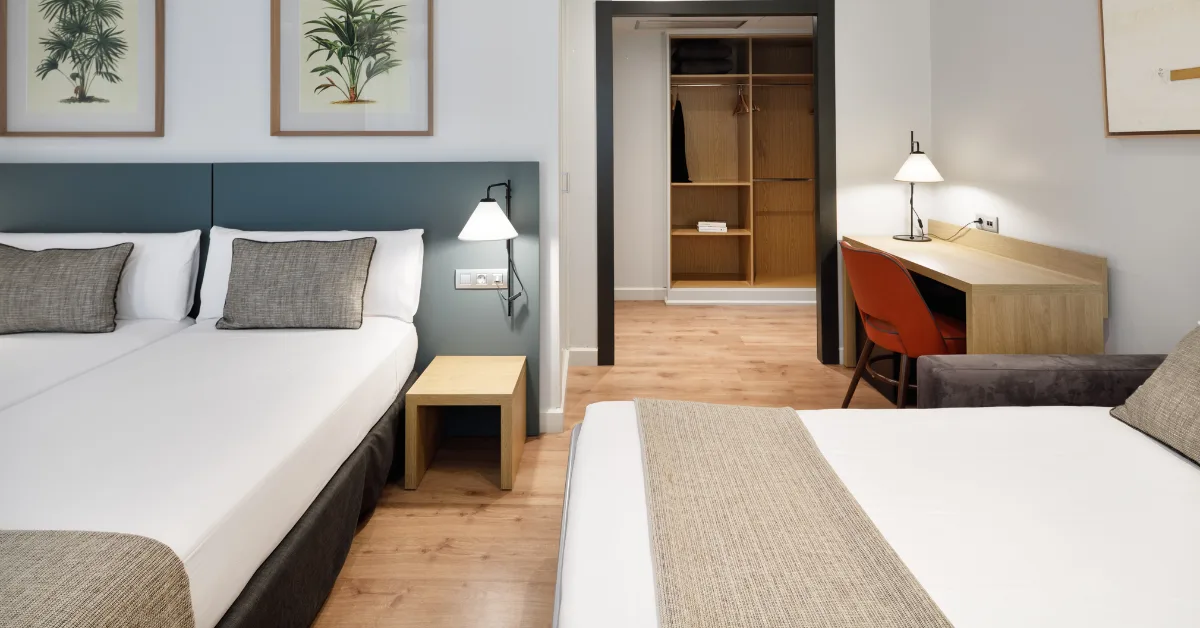
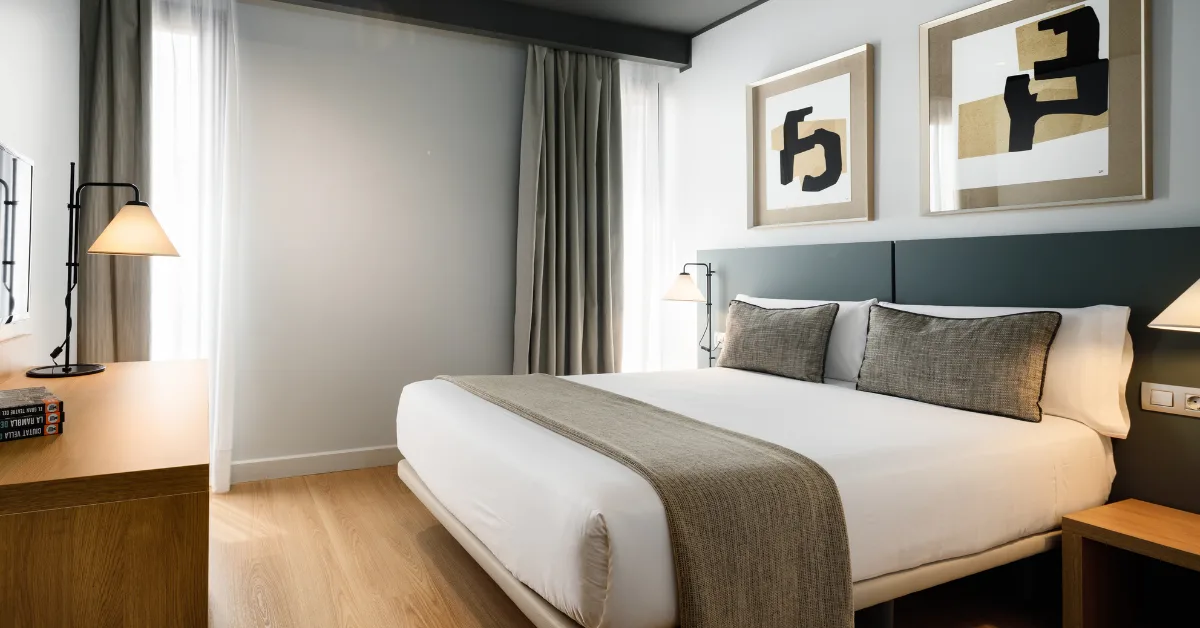
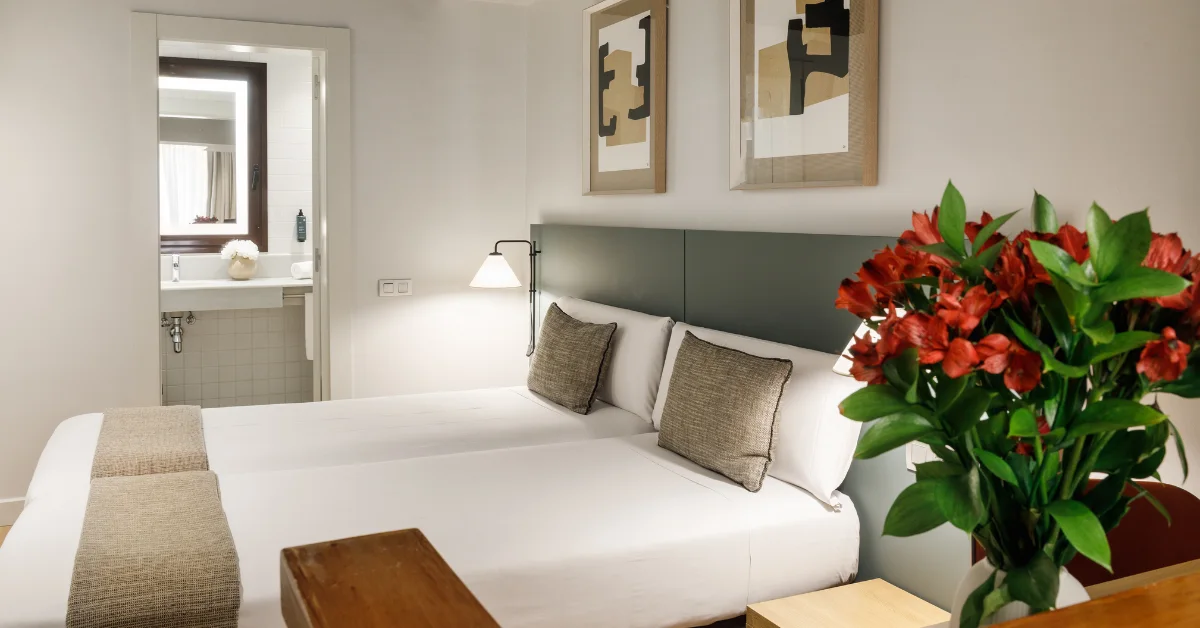
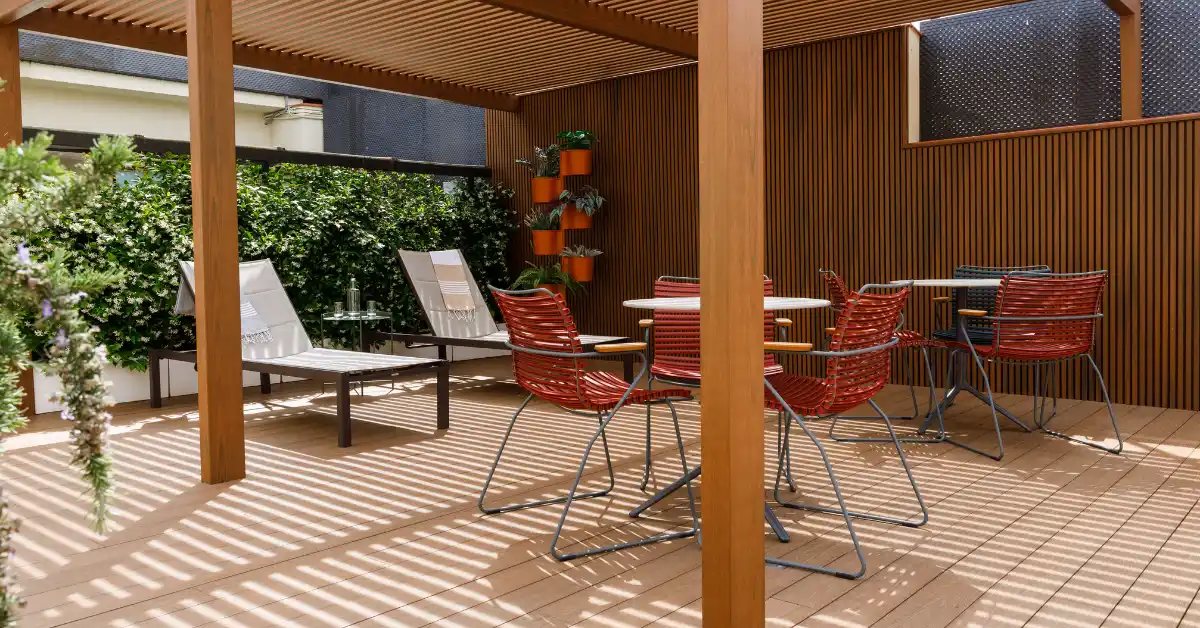
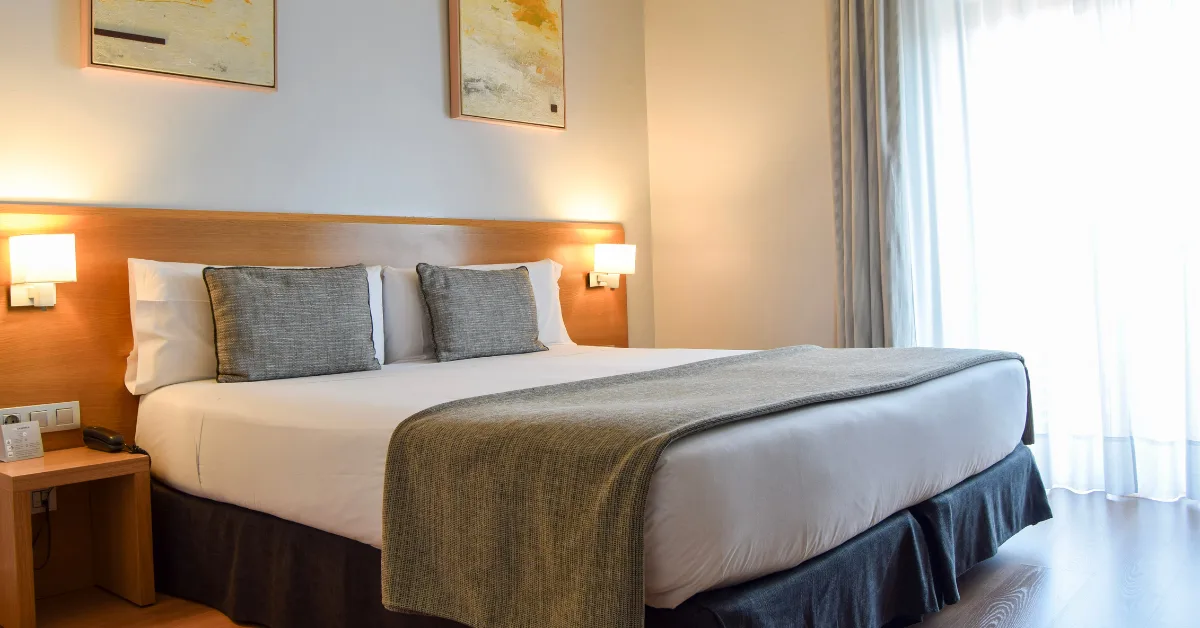
From Hotel Arc La Rambla (La Rambla 19-21, next to Drassanes metro, L3), Montjuïc is a short hop away: line 3 takes you straight to Plaça Espanya or Paral·lel, where you can catch the funicular up. A perfect base for spending a day on the hill —the Botanical Garden, the Miró Foundation, the MNAC and the castle— and returning to the old town to enjoy the Gothic Quarter, Las Ramblas and the harbour, all steps from the hotel.
💡 Book on our website with the code ARCBLOG and enjoy a special perk as a blog reader.
Barcelona Botanical Garden — frequently asked questions
How much does it cost to enter the Jardí Botànic de Barcelona?
General admission costs €3.50 and the reduced rate €1.70 (young people aged 16 to 29, over-65s, large and single-parent families and groups of more than 10). Under-16s enter free, as do Barcelona Card holders. There are also designated free-entry days through the year.
What are the Botanical Garden opening hours?
It opens every day with seasonal hours: June to August from 10:00 to 20:00; in April, May and September from 10:00 to 19:00; and October to March from 10:00 to 18:00. It closes on 1 January, 1 May, 24 June and 25 December. No entry is allowed from half an hour before closing.
What can you see at the Barcelona Botanical Garden?
Across 14 hectares, the garden recreates the landscapes of the world’s five Mediterranean-climate regions: the Mediterranean basin, California, Chile, South Africa and Australia. Being on a slope, it also offers excellent views of the Olympic Ring, the Llobregat delta, the Garraf massif and Collserola.
What is the Historic Botanical Garden?
It’s an annexe garden of around 4 hectares, founded in 1930 by the botanist Pius Font i Quer, located behind the MNAC car park. It occupies two hollows of an old quarry, creating a cooler microclimate where cold-climate species grow. The tallest trees in Barcelona are found there. It has its own entrance and opening hours.
How do you get to the Barcelona Botanical Garden?
It’s at Carrer del Doctor Font i Quer, 2, in Montjuïc, behind the Olympic Stadium. The easiest way is to take the metro to Espanya (lines 1 and 3) and from there bus 55 or 150 to the Olympic Stadium, a 5-10 minute walk away. You can also come up on the Montjuïc funicular.


