


The Poble Espanyol (Spanish Village) is an open-air architecture museum on Montjuïc that reproduces, at full size, 117 buildings, streets and squares from across Spain, built for the 1929 International Exhibition. It combines vernacular architecture, over 20 live craft workshops, the Fran Daurel Museum (with works by Picasso, Dalí and Miró), restaurants and concerts. General admission costs €13.50 (children 4-12, €9; under-4s free). It opens daily, staying open late from Tuesday to Sunday. It’s at Av. Francesc Ferrer i Guàrdia 13; you get there by bus or cable car.
You might also be interested in…
- Arc de Triomf
- Torre Agbar
- Columbus Monument
- Bunkers del Carmel
- Monasterio de Pedralbes
- Colonia Güell

What is the Poble Espanyol?
In the heart of Montjuïc, a few minutes from the magic fountains, is a place that defies any tourist category. The Poble Espanyol isn’t exactly a museum, nor a theme park, nor a craft market: it’s all of that at once, and something more. Built in 1929 for the International Exhibition, this complex reproduces 117 full-size buildings, streets and squares from across Spain, and has spent nearly a century reinventing itself to remain one of the city’s most singular and versatile spaces.
The Poble Espanyol at a glance
| Feature | Information |
|---|---|
| What it is | Open-air architecture museum |
| Inaugurated | 19 May 1929 (International Exhibition) |
| Buildings | 117 full-scale replicas |
| General admission | €13.50 |
| Recommended time | 2-3 hours |
| Location | Montjuïc (Sants-Montjuïc) |
History of the Poble Espanyol: from 1929 to today
It all began with a question: how do you show the world the architectural and cultural richness of Spain in a single space? The answer came from four creators —the architect Ramon Reventós, the art critic Miquel Utrillo, the painter Xavier Nogués and the architect Francesc Folguera— who, between 1927 and 1929, travelled to more than 1,600 towns across the Iberian Peninsula to select the most representative buildings of each region.
The result was the Poble Espanyol: a village reproducing the vernacular architecture of Castile, Andalusia, Aragon, the Basque Country, Galicia, Valencia and Catalonia, among others. Inaugurated on 19 May 1929, it was meant to be demolished after the International Exhibition. But its success was so resounding that it was kept. Almost a century later it’s still open and welcomes more than 1.3 million visitors a year.
What to see and do at the Poble Espanyol?
The 117 architectural replicas
The main route is a walk through Spanish vernacular architecture at 1:1 scale. Each building, street and square has been carefully reproduced from real examples. The result is a sequence of settings that changes radically as you go: from the whitewashed façades of Andalusia to the stone arcades of Castile, from the wooden-galleried houses of the north to Catalan Modernism.
The craft workshops
One of its most distinctive assets is the artisans working live in more than 20 workshops around the site: blown glass, ceramics, jewellery, leather, handmade paper, wooden toys… Traditional crafts you can watch in progress, with products on sale. A very different experience from a conventional market.
The Fran Daurel Museum
Inside the site is the Fran Daurel Museum, home to more than 300 works of contemporary art by figures such as Dalí, Picasso, Miró, Tàpies, Chillida and Barceló. A collection of paintings, sculptures, ceramics and prints (access included with your ticket) that naturally brings together historic folk art and contemporary art.
The Sculpture Garden
The site has more than 3,000 m² of green spaces, the highlight being the Sculpture Garden: an open-air walk with 36 sculptures by 27 contemporary artists set among the greenery, perfect for a quiet break midway through your visit.
Food, concerts and events
The Poble Espanyol doesn’t close at sunset: from Tuesday to Sunday it stays open until midnight, with bars, restaurants, live concerts and events that make it one of the most active night-time leisure spaces in Barcelona. Events such as OFFSónar, Brunch Electronik and the BARTS Festival are based here.
What are the Poble Espanyol opening hours in 2026?
| Day | Site hours |
|---|---|
| Monday | 10:00 – 20:00 |
| Tuesday to Sunday | 10:00 – 00:00 (midnight) |
| 25 December | 10:00 – 14:00 |
How much does it cost to enter the Poble Espanyol in 2026?
| Ticket type | Price (2026) |
|---|---|
| Adult (13+) | €13.50 |
| Child (4–12) | €9.00 |
| Under 3s | Free |
| Audio guide (7 languages) | €3.50 + €20 deposit |
💡 It’s best to buy online in advance to avoid queues, especially in high season and at weekends.
How to get to the Poble Espanyol from the centre?
The Poble Espanyol is at Avinguda de Francesc Ferrer i Guàrdia, 13, on the slopes of Montjuïc, in the Sants-Montjuïc district.
| Transport | Line / Detail | Stop |
|---|---|---|
| Bus | Lines 13, 23 and 150 | Poble Espanyol |
| Bus Turístic | Red Route | Poble Espanyol – Fundació Miró |
| Metro + bus | L1/L3 Espanya + bus 13 or 150 | ~10-15 min to the site |
| Cable car | Telefèric de Montjuïc | Mirador stop, ~10 min walk |
From the Drassanes metro stop (L3), the most direct option is to connect with the 150 bus, which goes up Montjuïc and stops right at the entrance.
Practical tips for your visit
- Allow at least 2-3 hours to explore the site at a relaxed pace, see the workshops and visit the Fran Daurel Museum.
- It’s entirely open-air: bring comfortable clothes and sun protection in summer.
- It’s ideal for families: there are play areas, a digital treasure hunt included with the ticket and family workshops.
- The audio guide is in 7 languages (Catalan, Spanish, English, French, Italian, Chinese and German) and is worth it to understand each building.
- If you want to dine on site, plan to stay into the evening: the restaurant offer and night-time atmosphere are very different from the daytime visit.
- Combine your visit with the Magic Fountain of Montjuïc (5 min walk) or the Joan Miró Foundation (10 min).
What to see near the Poble Espanyol on Montjuïc
| Place | Distance | Why visit |
|---|---|---|
| Magic Fountain of Montjuïc | 5 min walk | Water, light and music show (in season) |
| Joan Miró Foundation | 10 min walk | One of the most complete Miró collections in the world |
| Mies van der Rohe Pavilion | 10 min walk | A masterpiece of 20th-century modern architecture |
| MNAC | 15 min walk | The world’s finest Romanesque art collection |
| Montjuïc Castle | Cable car | 17th-century fortress with sea views |
Hotel Arc La Rambla, 15 minutes from the Poble Espanyol
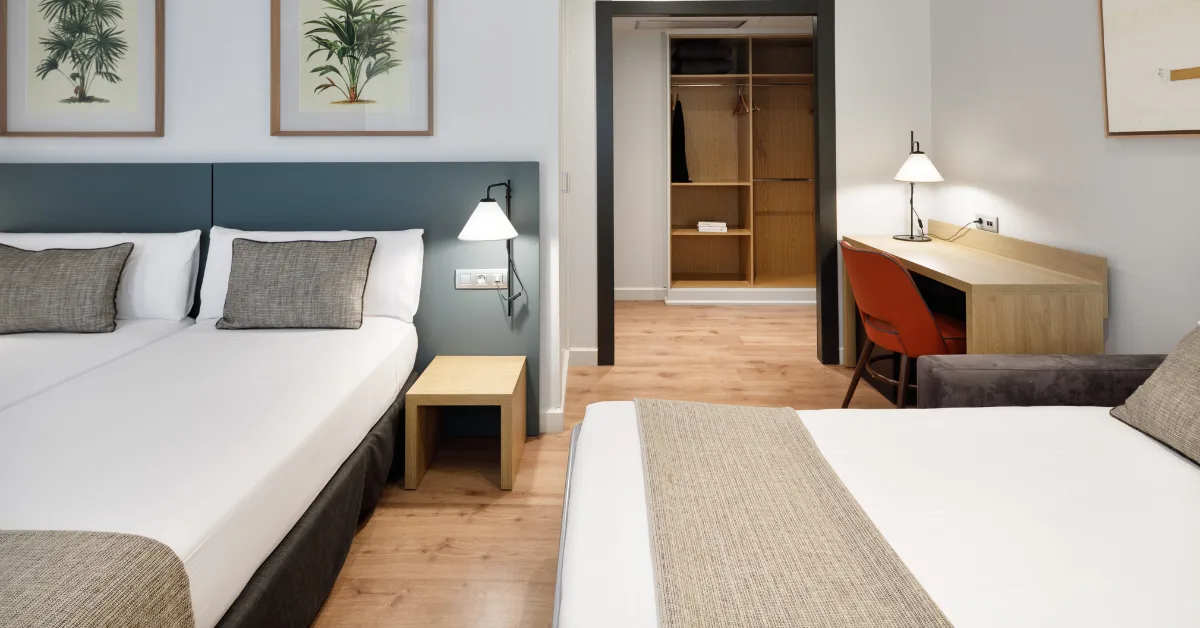
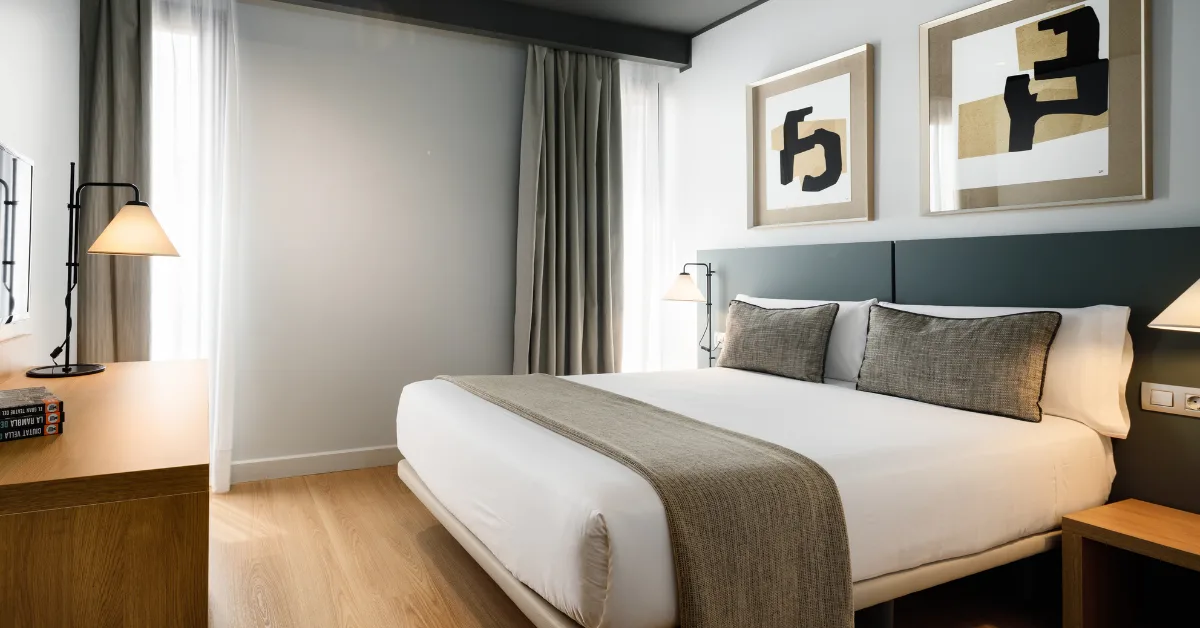
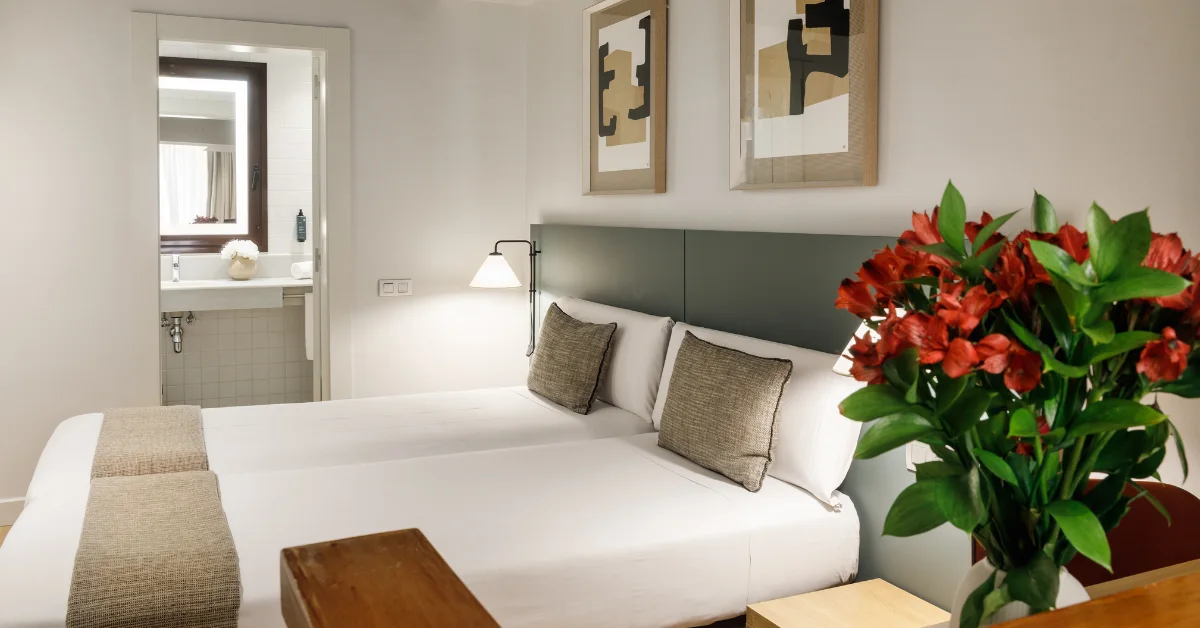
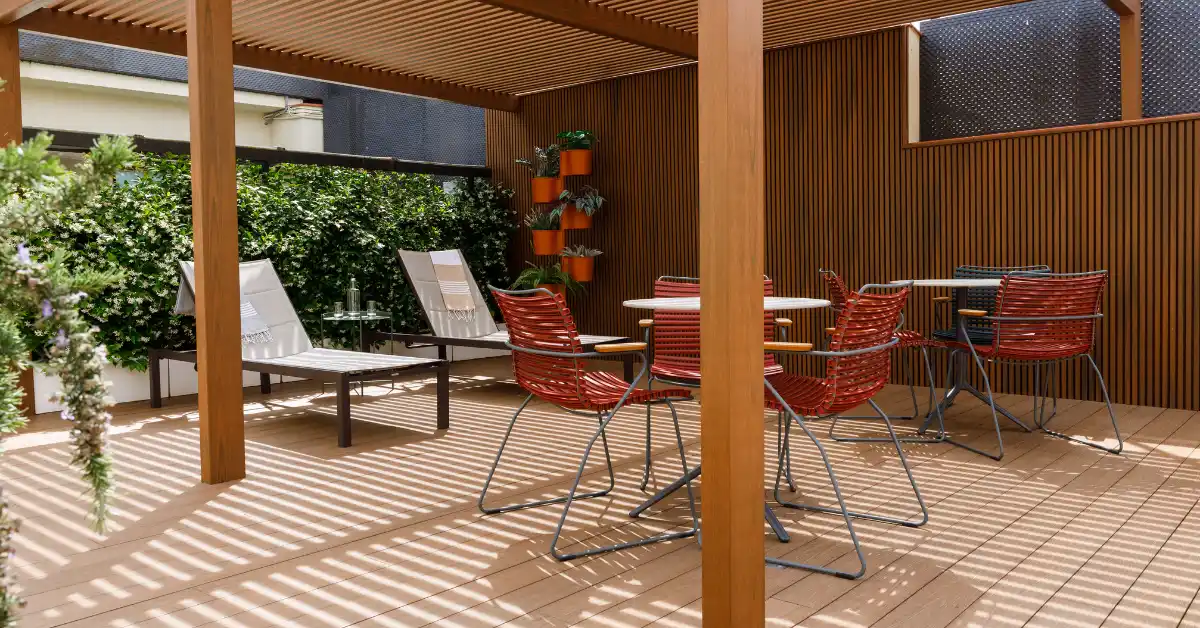
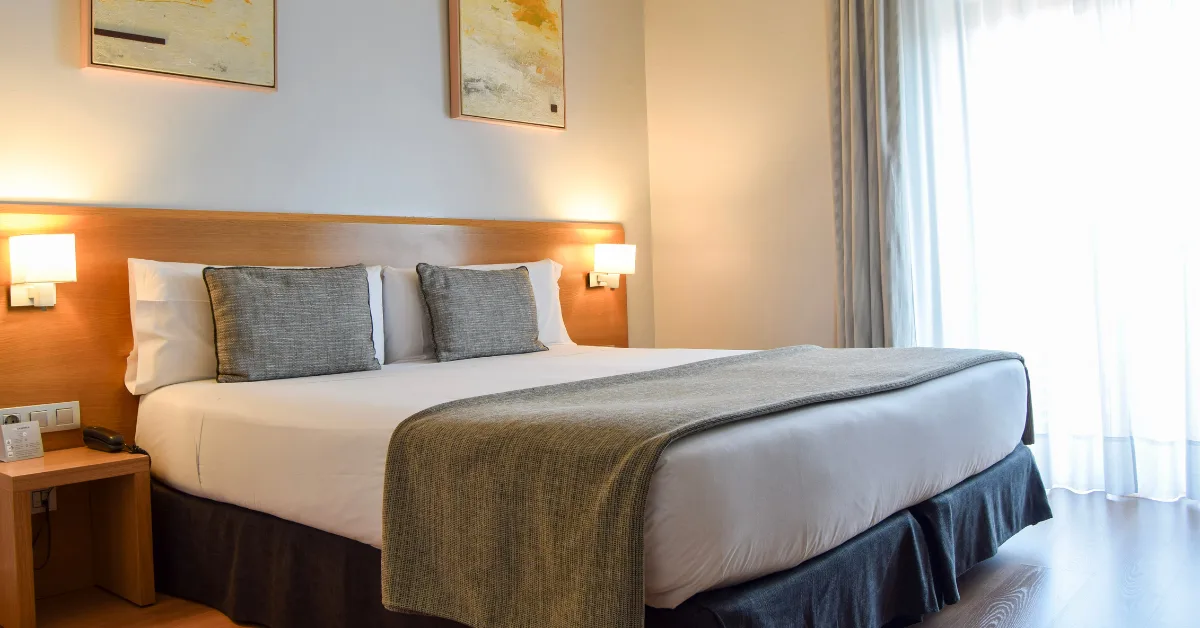
From Hotel Arc La Rambla (La Rambla 19-21, next to Drassanes metro, L3), the Poble Espanyol is about 15 minutes away by connecting with the bus up to Montjuïc. A perfect location for combining a day on Montjuïc with the Gothic Quarter, the harbour or La Boqueria, all just steps from the hotel.
💡 Book on our website with the code ARCBLOG and enjoy a special perk as a blog reader.
Poble Espanyol — frequently asked questions
How much does it cost to enter the Poble Espanyol?
General admission (13 and over) costs €13.50, children aged 4 to 12 pay €9 and under-4s enter free. The audio guide costs €3.50 (plus a €20 deposit). There are reduced box-office rates for pensioners resident in Catalonia, large families, students and other groups.
What are the Poble Espanyol opening hours?
The site opens on Mondays from 10:00 to 20:00 and Tuesday to Sunday from 10:00 to midnight. On 25 December it opens from 10:00 to 14:00. Workshops and indoor venues may have shorter hours.
How long do you need to visit it?
Two to three hours is recommended to explore the streets and squares, see the craft workshops and visit the Fran Daurel Museum at a relaxed pace.
How do you get to the Poble Espanyol?
By bus (lines 13, 23 and 150), by Bus Turístic (Red Route), or by combining the metro to Espanya (L1/L3) with a bus up Montjuïc. You can also arrive by the Montjuïc cable car (Mirador stop, 10 min walk).
What does the Poble Espanyol ticket include?
The ticket gives access to the streets and squares with the 117 buildings, the craft workshops, the Fran Daurel contemporary art museum, the Sculpture Garden and the site’s exhibitions and audiovisual installations.


