


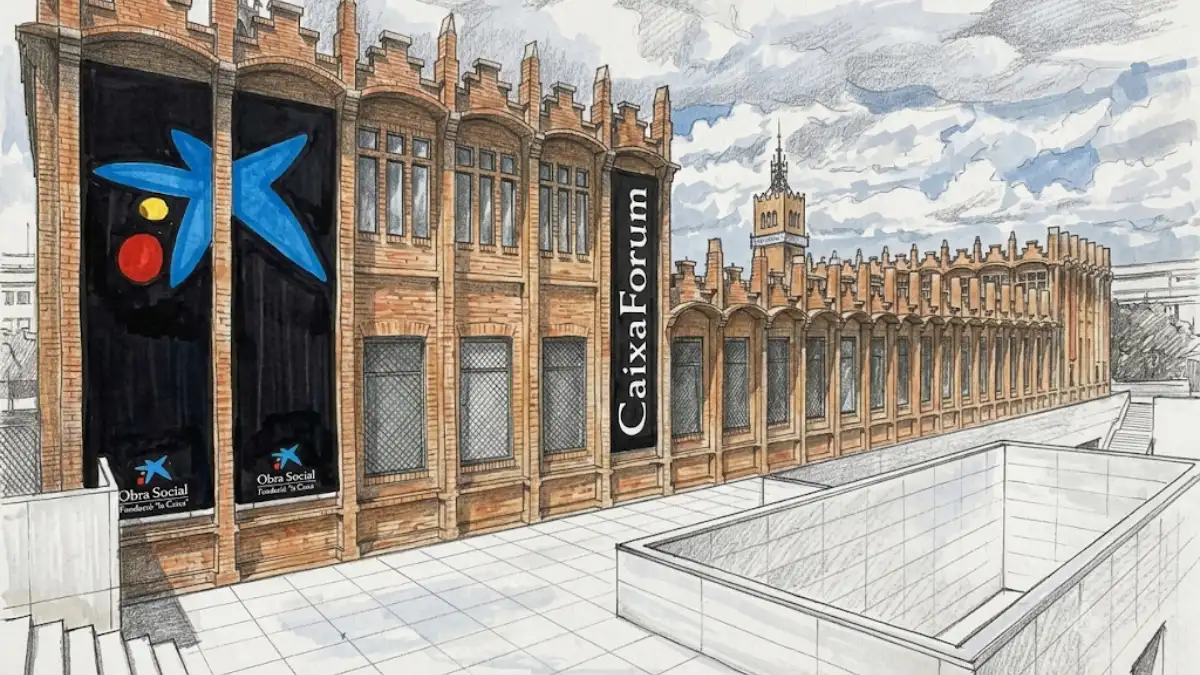
CaixaForum Barcelona is the “la Caixa” Foundation’s cultural centre, one of the city’s most dynamic art venues, at the foot of Montjuïc next to Plaça d’Espanya. It occupies the former Casaramona factory, a jewel of industrial Modernisme by Josep Puig i Cadafalch. It programmes major temporary exhibitions (from Dalí to Rodin, Turner or Cartier-Bresson), plus concerts, cinema and family activities. General admission costs just €6 and is free for under-16s, European Youth Card holders and CaixaBank customers. It opens every day from 10:00 to 20:00. Metro: Espanya (L1/L3).
Other museums in Barcelona…
- Museu Picasso Barcelona
- Fundació Joan Miró
- MNAC Barcelona
- MACBA Barcelona
- MEAM Barcelona
- Museo Marítimo Barcelona
- CaixaForum Barcelona
- Fundació Antoni Tàpies Barcelona
- MUHBA Barcelona

What is CaixaForum Barcelona?
At the foot of Montjuïc, steps from Plaça d’Espanya and the MNAC, CaixaForum is one of Barcelona’s most active and best-loved cultural centres. Run by the “la Caixa” Foundation, it offers a vibrant year-round programme of art exhibitions —ancient, modern and contemporary— plus concerts, cinema, lectures, literature and activities for the whole family, almost always at very affordable prices. But CaixaForum is doubly interesting: as well as what’s shown inside, the building itself is a Modernista masterpiece that’s worth the visit on its own.
The Casaramona factory: a jewel of industrial Modernisme

The building is the former Casaramona textile factory, designed by the great Modernista architect Josep Puig i Cadafalch —also behind Casa Amatller and Casa de les Punxes— and built around 1911-1913 for the cotton industrialist Casimir Casaramona. It was a modern, innovative factory for its time: it ran on electricity instead of steam, so it needed no chimneys, and it stands out for its exposed brick, its towers and its elegant Modernista lines. It won the prize for the city’s best industrial building in 1913.
The factory operated for only a few years and then had very varied uses (a warehouse, even police stables). In 1963, “la Caixa” acquired the building and, after a thorough restoration completed in the early 2000s, turned it into CaixaForum. The renovation involved the prestigious Japanese architect Arata Isozaki, who designed the spectacular entrance courtyard and the underground entrance. The complex was declared a Cultural Asset of National Interest in 1976.
What to see and do at CaixaForum?
The temporary exhibitions
The heart of CaixaForum is its temporary exhibitions, high-quality and wide-ranging. Over the years its halls have hosted shows dedicated to first-rate artists and themes, from Dalí to Rodin, Turner, Fragonard, Hogarth, Freud and Cartier-Bresson, with painting, photography, cinema, history and architecture as the main players. The programme changes constantly, so it’s worth checking which exhibitions are on during your visit.
The building and the Casaramona space
Walking the “inner streets” of the old factory, its brick halls and its terrace overlooking Montjuïc is an experience in itself. The centre also devotes a permanent space to explaining the building’s history and its restoration, ideal for understanding the heritage value of this industrial Modernisme.
Concerts, cinema and family activities
CaixaForum is much more than an exhibition space: it programmes concerts, film seasons, lectures, debates, literature, multimedia art and numerous family activities and children’s workshops. It’s one of the most complete cultural agendas in the city.
What are the CaixaForum opening hours in 2026?
| Days | Hours |
|---|---|
| Every day (holidays included) | 10:00 – 20:00 |
| Wednesdays in July and August | 10:00 – 23:00 |
| 24 & 31 December and 5 January | 10:00 – 18:00 |
| 25 December, 1 & 6 January | Closed |
How much does it cost to enter CaixaForum in 2026?
| Ticket type | Price (2026) |
|---|---|
| General admission (all exhibitions) | €6 |
| Under 16s | Free |
| European Youth Card | Free |
| CaixaBank customers | Free |
💡 Tip: at just €6 (and free for under-16s, Youth Card holders and CaixaBank customers) giving access to all exhibitions, CaixaForum is one of the best-value cultural plans in Barcelona.
How to get to CaixaForum?
CaixaForum is at Avinguda de Francesc Ferrer i Guàrdia, 6-8, at the foot of Montjuïc, very close to Plaça d’Espanya.
| Transport | Line / Detail | Stop |
|---|---|---|
| Metro | Lines 1 and 3 | Espanya (5-10 min walk) |
| Bus | Lines 13 and 150 (stop outside); many more at Pl. Espanya | CaixaForum / Plaça d’Espanya |
| FGC / Rodalies | Espanya station | Espanya |
| Bus Turístic | Red Route | CaixaForum – Pavelló Mies van der Rohe |
From Plaça d’Espanya it’s a pleasant 5-10 minute walk up Avinguda Reina Maria Cristina. CaixaForum is right opposite the Mies van der Rohe Pavilion.
Practical tips for your visit
- Check the programme before you go: what makes each visit special are the temporary exhibitions on show.
- Allow 1.5 to 2 hours, more if there are several exhibitions.
- Don’t miss the building itself: Isozaki’s courtyard, the brick halls and the terrace with views.
- It’s an ideal plan for rainy or very hot days, and very affordable.
- Combine it with Montjuïc’s great neighbours: MNAC, Poble Espanyol, the Magic Fountain and the Mies van der Rohe Pavilion (right opposite).
- There’s a café-restaurant with a terrace and a bookshop.
What to see near CaixaForum
| Place | Why visit |
|---|---|
| Mies van der Rohe Pavilion | A masterpiece of modern architecture, right opposite |
| MNAC | The world’s finest Romanesque art collection, a few minutes away |
| Magic Fountain of Montjuïc | Water, light and music show (in season) |
| Poble Espanyol | Open-air museum with 117 buildings from across Spain |
| Plaça d’Espanya | One of the city’s great squares, with the Venetian Towers |
Hotel Arc La Rambla, your base for Montjuïc and CaixaForum
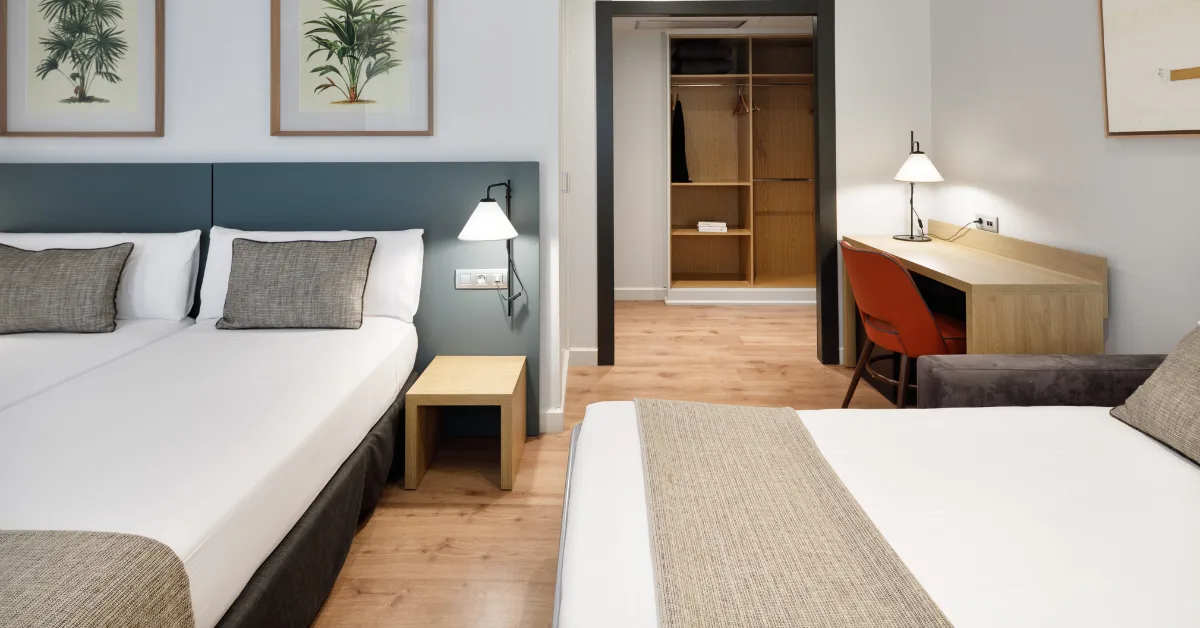
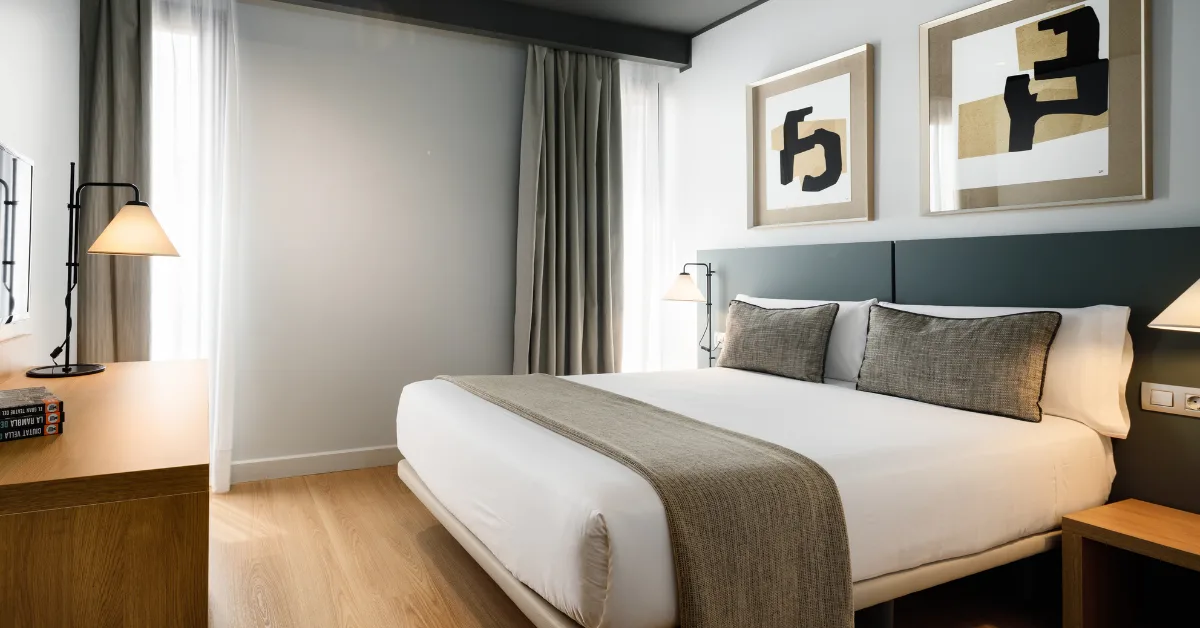
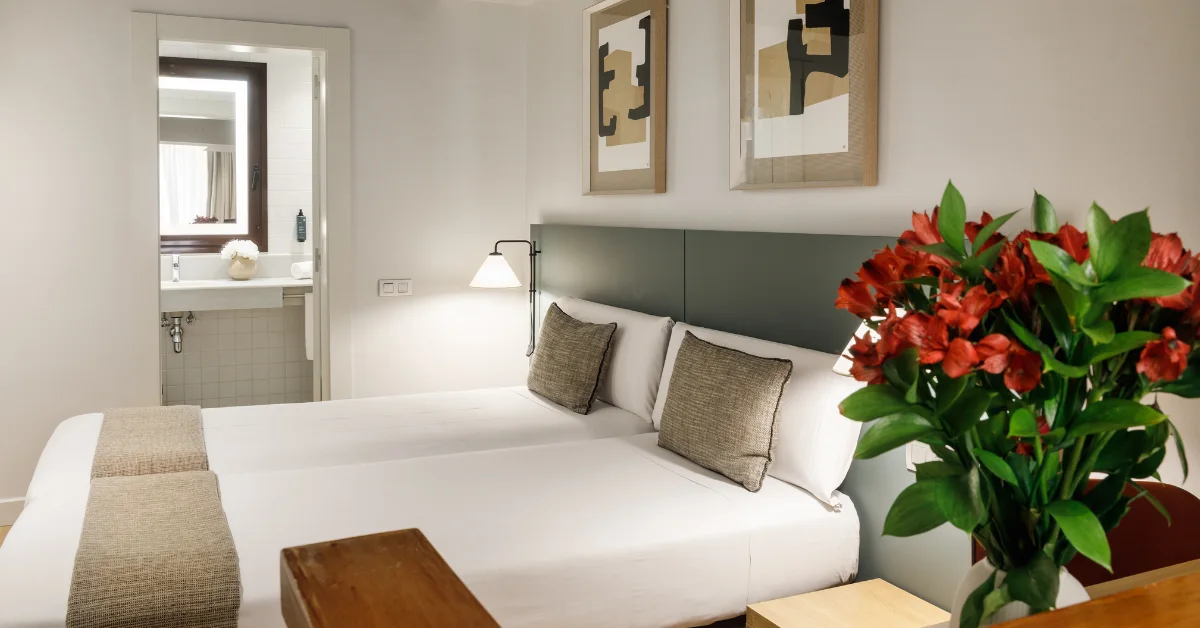
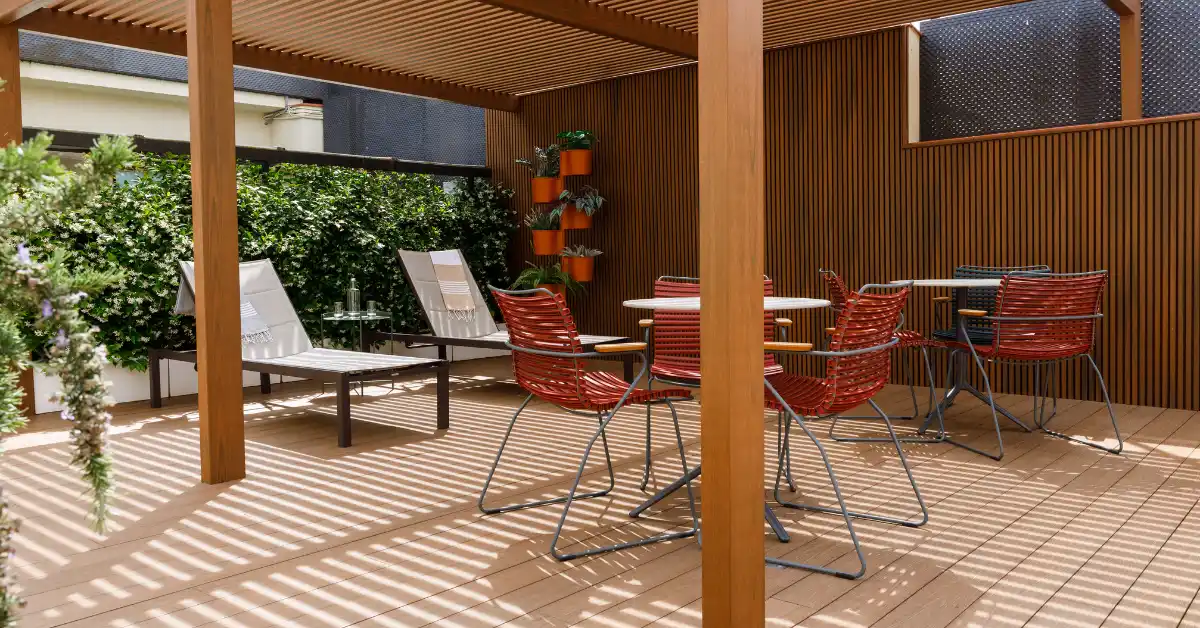
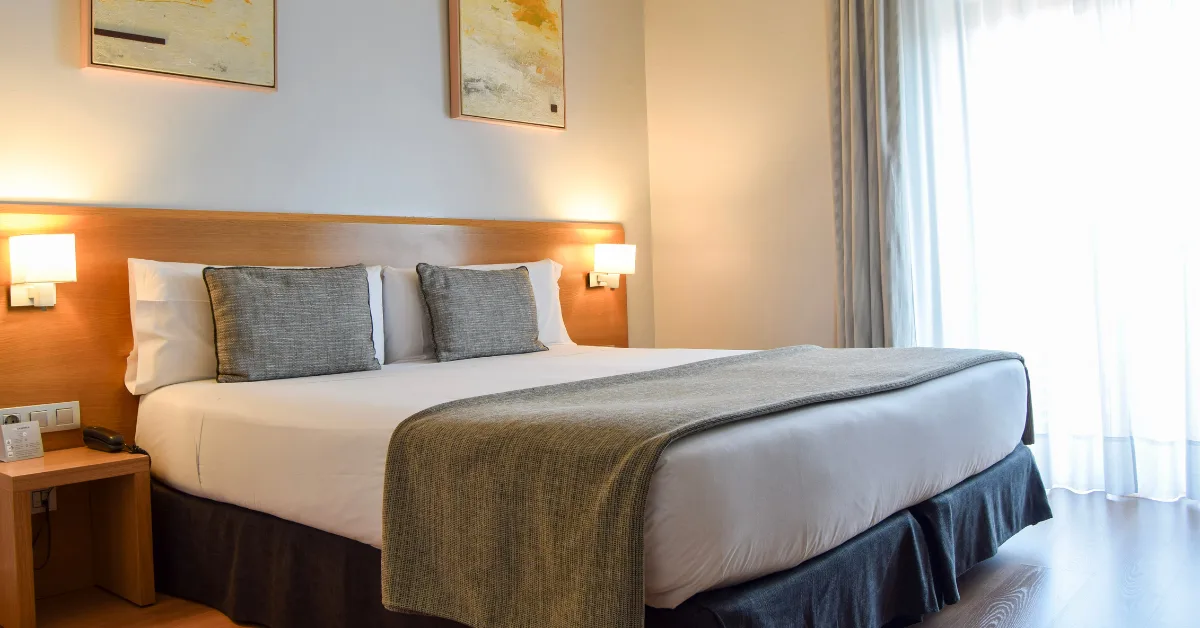
From Hotel Arc La Rambla (La Rambla 19-21, next to Drassanes metro, L3), reaching CaixaForum is very easy: connect to Plaça d’Espanya (L3) in a few minutes and it’s a short walk to the entrance. A perfect location for spending a day on Montjuïc —CaixaForum, MNAC, Poble Espanyol, the Magic Fountain— and returning to the centre to enjoy the Gothic Quarter, the harbour and La Boqueria, all steps from the hotel.
💡 Book on our website with the code ARCBLOG and enjoy a special perk as a blog reader.

CaixaForum Barcelona — frequently asked questions
How much does it cost to enter CaixaForum?
General admission costs €6 and gives access to all temporary and permanent exhibitions. It’s free for under-16s, European Youth Card holders and CaixaBank customers, and also with the Barcelona Card.
What are the CaixaForum opening hours?
It opens every day, holidays included, from 10:00 to 20:00 (Wednesdays in July and August until 23:00). On 24 & 31 December and 5 January it closes at 18:00. It’s closed on 25 December and 1 & 6 January.
What can you see at CaixaForum?
Major temporary exhibitions of ancient, modern and contemporary art (shows on Dalí, Rodin, Turner and Cartier-Bresson have all featured), plus the Modernista Casaramona factory building itself and a space about its history. It also programmes concerts, cinema, lectures and family activities.
Who designed the CaixaForum building?
The former Casaramona factory is the work of the Modernista architect Josep Puig i Cadafalch, built around 1911-1913. The restoration that turned it into CaixaForum involved the Japanese architect Arata Isozaki, who designed the current courtyard and entrance. The building has been a Cultural Asset of National Interest since 1976.
How do you get to CaixaForum?
It’s at Avinguda de Francesc Ferrer i Guàrdia, 6-8, at the foot of Montjuïc. The nearest metro is Espanya (lines 1 and 3), a 5-10 minute walk. Buses 13 and 150 stop right outside, and many more lines at Plaça d’Espanya.


