


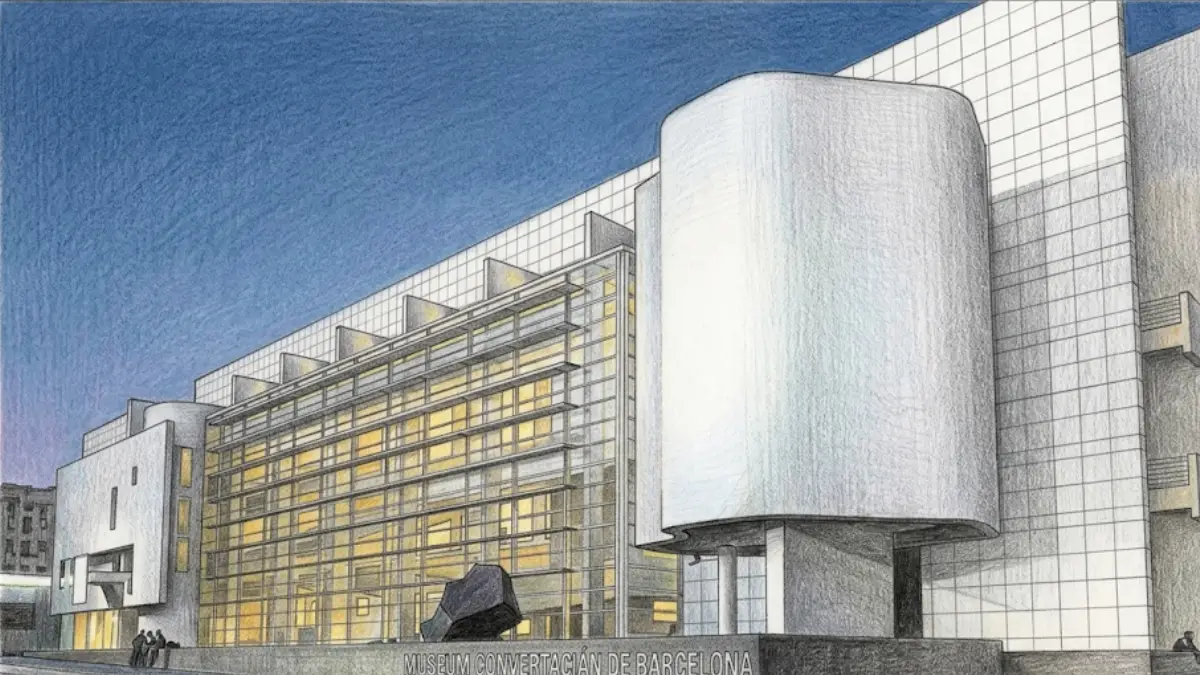
The MACBA (Museu d’Art Contemporani de Barcelona) is the city’s leading contemporary art museum, in the Raval neighbourhood. It occupies a bright white building designed by architect Richard Meier and holds more than 5,000 works from after 1945. General admission costs €12 (€10.80 online) and is valid for a full month with unlimited visits; it’s free on Saturdays from 4 pm and for under-14s/16s. Closed on Tuesdays (not Mondays). The nearest metro is Universitat (L1/L2). In 2026 it celebrates its 30th anniversary.
Other museums in Barcelona…
- Museu Picasso Barcelona
- Fundació Joan Miró
- MNAC Barcelona
- MEAM Barcelona
- Museo Marítimo Barcelona
- CosmoCaixa Barcelona
- CaixaForum Barcelona
- Fundació Antoni Tàpies Barcelona
- MUHBA Barcelona

What is the MACBA?
In the heart of the Raval, a large, bright white building bursts out among the neighbourhood’s narrow streets: it’s the MACBA, the Museu d’Art Contemporani de Barcelona. Opened in 1995, it’s the city’s leading contemporary art institution and one of Barcelona’s most singular museums —for its collection, its architecture and the role it has played in transforming the neighbourhood. It’s a museum that divides opinion —conceptual, political and sometimes deliberately uncomfortable— and that’s exactly what makes it so stimulating.
The building by Richard Meier
The building is an essential part of the visit. It was designed by American architect Richard Meier —also behind the Getty Center in Los Angeles and the Ara Pacis Museum in Rome— and built between 1987 and 1995, with around 14,300 m². Its white aesthetic, large glass surfaces, ramps instead of staircases and the natural light flooding the galleries create a space of great harmony. The contrast between this minimalist architecture and the historic Raval reinforces the idea of a dialogue between past and present. Outside, Plaça dels Àngels has become one of the most famous skateboarding spots in Europe: that mix of high culture and street culture is part of the MACBA’s very ethos.
What to see at the MACBA?
The collection
The MACBA collection brings together more than 5,000 works and covers contemporary art from the mid-20th century to today: the matter-based abstraction of the 1950s, European pop, the avant-gardes of the 60s and 70s, conceptual and political art and the most current creation. It focuses on Catalan and Spanish art, but also on work from South America, the Arab world, Eastern Europe and North Africa. Among its highlights are Rinzen by Antoni Tàpies, the mural Together we can stop AIDS by Keith Haring and the ceramic Barcelona by Eduardo Chillida, plus pieces by Paul Klee, Basquiat, Miquel Barceló and Mario Merz.
The Convent dels Àngels and La Capella
The MACBA isn’t just the Meier building. Across the square, the Convent dels Àngels —with its 16th-century Gothic chapel, La Capella— hosts video art, installations and performances in a contrast no other museum in the city offers. La Capella is free to enter. The complex is completed by the Study and Documentation Centre, with a library and archive.
2026: the 30th anniversary
In 2026 the MACBA celebrates its 30th anniversary —”Year Thirty”— with an expanded exhibition programme, so for much of the year there will be more shows running at once than usual. It’s a good time to visit.
What are the MACBA opening hours in 2026?
| Days | Hours |
|---|---|
| Monday, Wednesday, Thursday & Friday | 11:00 – 19:30 (to 20:00 in summer) |
| Saturday | 10:00 – 20:00 |
| Sundays & public holidays | 10:00 – 15:00 |
| Tuesday | Closed (except holidays) |
How much does it cost to enter the MACBA in 2026?
| Ticket type | Price (2026) |
|---|---|
| General admission (on-site) | €12 |
| General admission (online) | €10.80 |
| Under-14/16s, unemployed, 65+ (check) | Free / reduced |
| Saturdays from 4:00 pm | Free |
💡 Tip: the MACBA ticket is valid for a full month, so you can return as often as you like. And if you want free entry, on Saturdays from 4:00 pm access is free for everyone.
How to get to the MACBA?
The MACBA is at Plaça dels Àngels, 1, in the Raval, very close to Las Ramblas and Plaça de Catalunya.
| Transport | Line / Detail | Stop |
|---|---|---|
| Metro | Lines 1 and 2 | Universitat (5-7 min walk) |
| Metro | Lines 1 and 3 | Catalunya or Liceu (5-7 min walk) |
| FGC | Plaça Catalunya lines | Catalunya |
| Bus | Many lines (7, 24, 41, 55, 91, H12, H16…) | Nearby stops |
It’s just a 5-minute walk from Las Ramblas and about 10 from the Gothic Quarter. The walk through the Raval to get there is part of the experience.
Practical tips for your visit
- Remember it closes on Tuesdays, not Mondays (the most common mix-up).
- Allow 60 to 90 minutes; the ticket is valid for a month, so you can come back.
- Give the video installations time: they’re often the strongest part of the museum. Sit with one piece for a few minutes and the visit changes completely.
- Buy online: it’s slightly cheaper (€10.80 vs €12) and skips the queue.
- Don’t miss La Capella, in the Convent dels Àngels, free to enter.
- For free entry, go on Saturdays from 4:00 pm.
- Combine your visit with the CCCB (a few metres away), Las Ramblas, La Boqueria or the Gothic Quarter.
What to see near the MACBA in the Raval
| Place | Why visit |
|---|---|
| CCCB | Centre of Contemporary Culture, a few metres from the MACBA |
| La Boqueria | Barcelona’s most famous market, next to Las Ramblas |
| Palau Güell | A Gaudí work in the Raval, a UNESCO World Heritage Site |
| Las Ramblas | The city’s most iconic promenade, 5 min away |
| Gothic Quarter | The medieval old town, a 10-min walk |
Hotel Arc La Rambla, steps from the MACBA
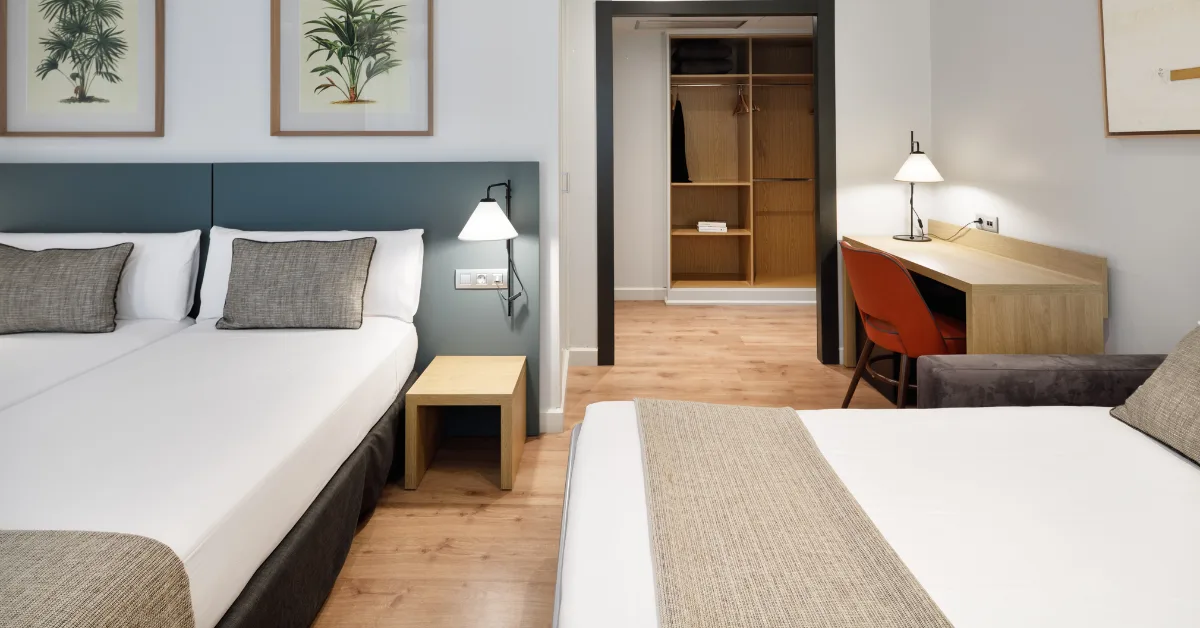
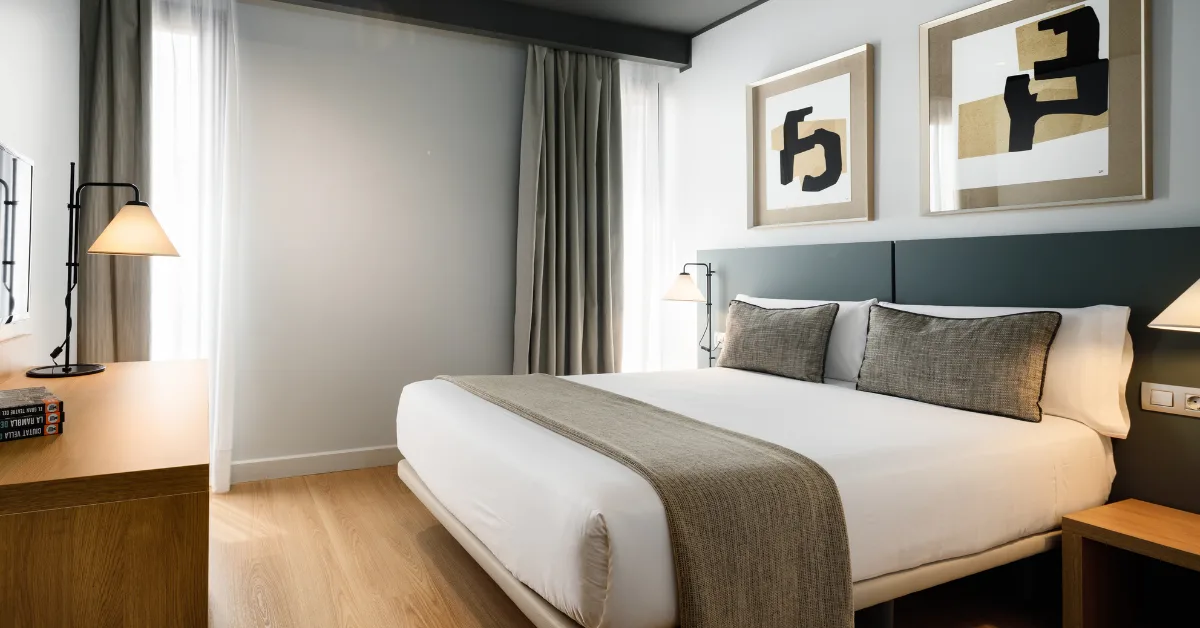
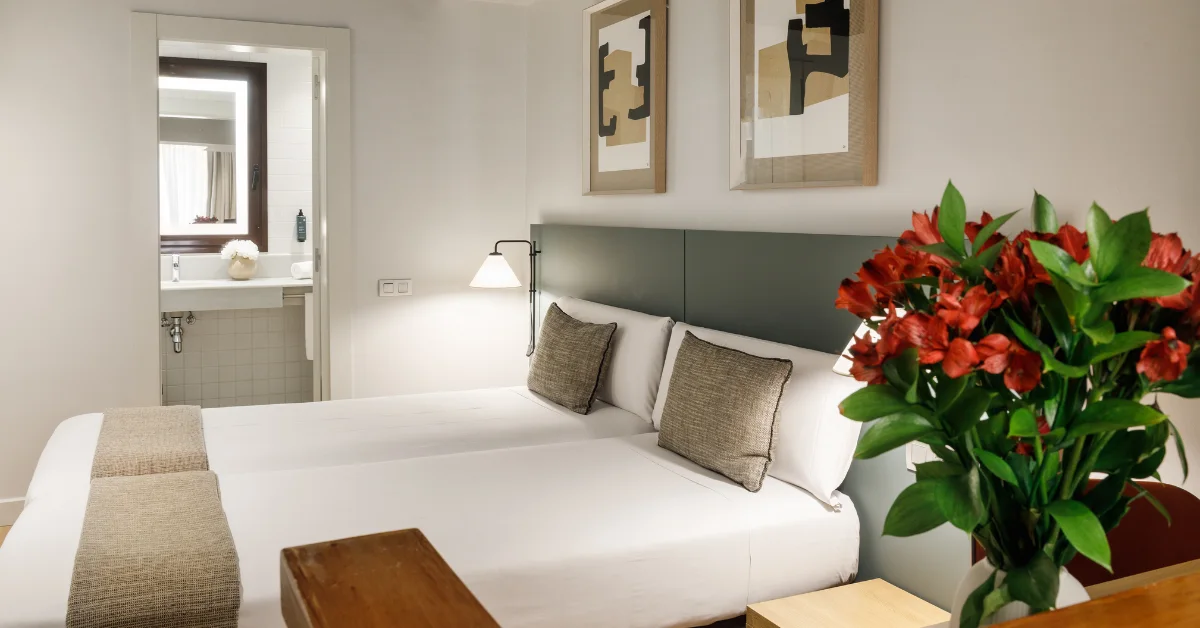
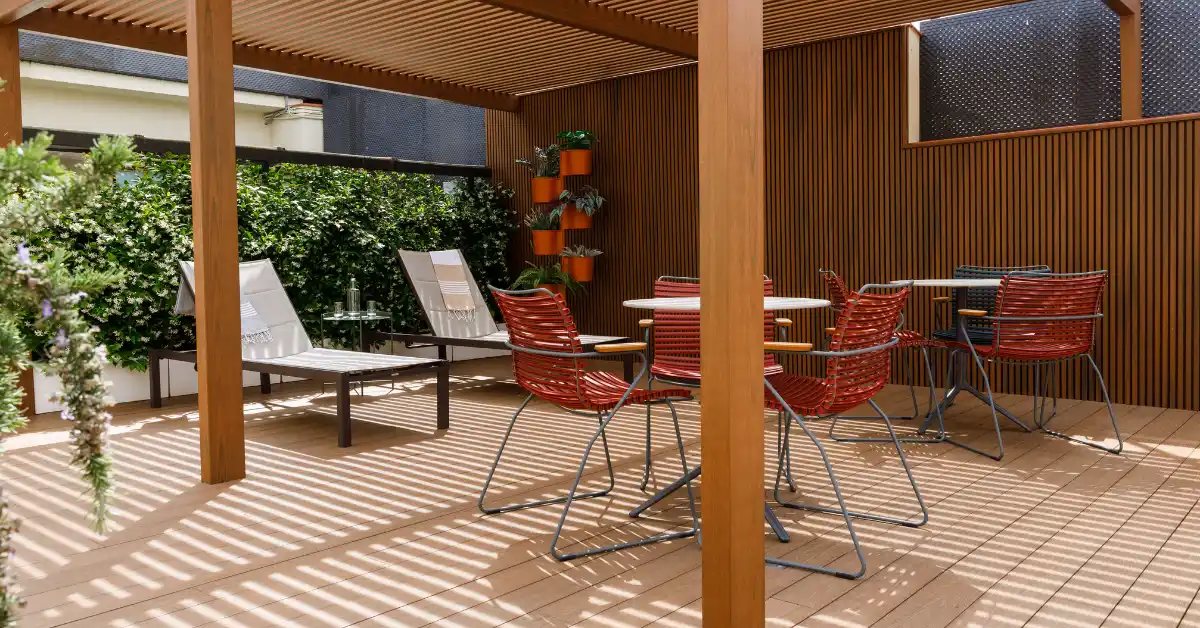
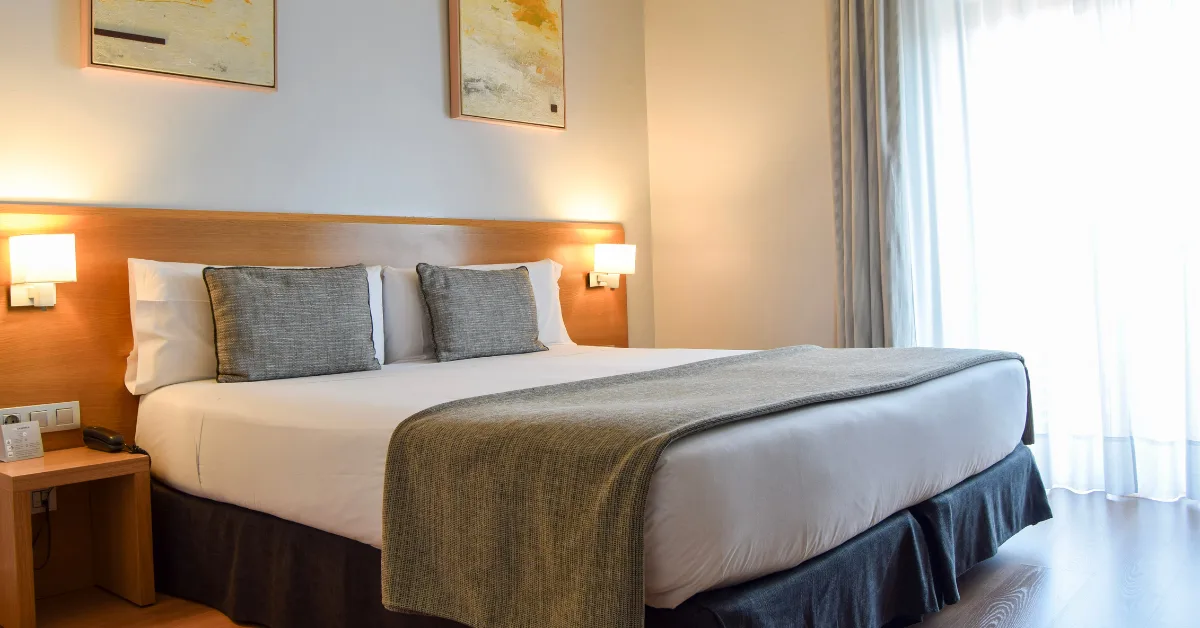
From Hotel Arc La Rambla (La Rambla 19-21, next to Drassanes metro, L3), the MACBA is an easy stroll away: walking up La Rambla and into the Raval you’ll reach it in about 10-12 minutes on foot. An unbeatable location for combining the contemporary art of the MACBA and the CCCB in a single day with La Boqueria, the Palau Güell, the Gothic Quarter and the harbour, all steps from the hotel.
💡 Book on our website with the code ARCBLOG and enjoy a special perk as a blog reader.
MACBA — frequently asked questions
How much does it cost to enter the MACBA?
General admission costs €12 on-site and €10.80 online, and is valid for a full month with unlimited visits to the collection and all exhibitions. It’s free for under-age visitors (depending on age), the unemployed, over-65s and other groups, and for everyone on Saturdays from 4:00 pm. It’s also included in the Articket and the Barcelona Card.
What are the MACBA opening hours?
It opens Monday, Wednesday, Thursday and Friday from 11:00 to 19:30 (to 20:00 in summer), Saturdays from 10:00 to 20:00 and Sundays and public holidays from 10:00 to 15:00. It closes on Tuesdays (except holidays).
What day is the MACBA closed?
The MACBA closes on Tuesdays, unlike most Barcelona museums, which close on Mondays. It’s worth bearing in mind when planning your visit.
Who designed the MACBA building?
American architect Richard Meier, also behind the Getty Center in Los Angeles and the Ara Pacis Museum in Rome. The white building, built between 1987 and 1995, is considered one of the finest examples of modern institutional architecture in Europe.
How do you get to the MACBA?
The nearest metro is Universitat (lines 1 and 2), a 5-7 minute walk; Catalunya and Liceu (L3) also work. It’s a 5-minute walk from Las Ramblas and 10 from the Gothic Quarter. Many bus lines stop nearby.


