


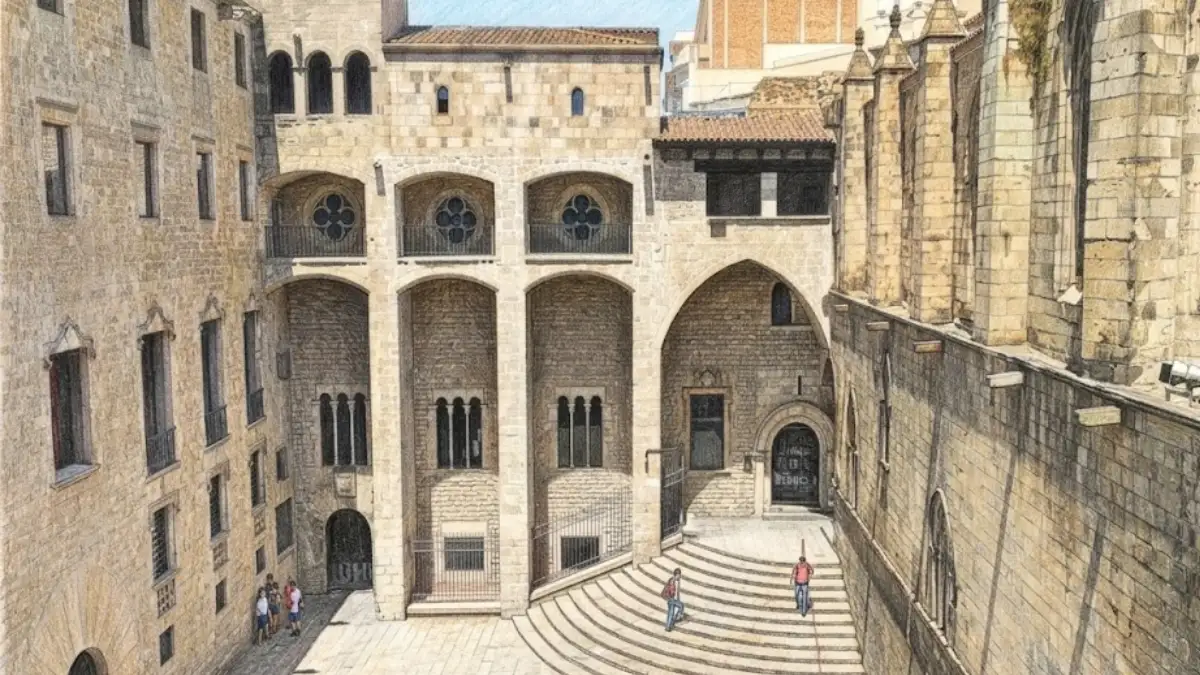
The MUHBA (Museu d’Història de Barcelona / Barcelona History Museum) tells more than 2,000 years of the city’s history, from Roman Barcino to today. Its main site, on Plaça del Rei in the Gothic Quarter, hides its great treasure: an underground archaeological site of around 4,000 m² where you walk among the streets of the Roman city. General admission costs €7 (reduced €5) and is free for under-16s and on Sundays from 3 pm (and all day on the first Sunday of the month). It opens Tuesday to Sunday (closed Mondays). Metro: Jaume I (L4).
Other museums in Barcelona…
- Museu Picasso Barcelona
- Fundació Joan Miró
- MNAC Barcelona
- MACBA Barcelona
- MEAM Barcelona
- Museo Marítimo Barcelona
- CosmoCaixa Barcelona
- CaixaForum Barcelona
- Fundació Antoni Tàpies Barcelona

What is the MUHBA?
The MUHBA, the Barcelona History Museum, is dedicated to preserving and explaining the city’s history, from its founding as a Roman colony to the present day. Created in 1943, it’s an unusual museum: rather than concentrating in a single building, it’s made up of a network of heritage sites spread across Barcelona. But its heart —and the essential visit— is the monumental complex on Plaça del Rei, in the heart of the Gothic Quarter, home to one of the city’s best-kept secrets: an entire Roman Barcelona underground.
The Roman underground: walking through Barcino of 12 BC
The most spectacular part of the MUHBA is below ground. The visit begins with a reconstruction of Roman Barcino and, after going down in a lift, immerses you in some 4,000 m² of underground excavations, one of the most extensive urban archaeological sites in Europe. These ruins were discovered by chance in the late 1920s, when part of the Gothic Quarter was dug up to open Via Laietana.
The route lets you literally walk the streets of the Roman city and see how people lived and worked two thousand years ago: a 2nd-century dye works (tinctoria) and laundry, a fish-salting factory (cetaria) where the famous garum was made, a winemaking facility, sections of the city wall and the early-Christian episcopal complex. A fascinating journey through time that few cities in the world can offer.
What else to see on Plaça del Rei?


The Casa Padellàs
You enter the museum through the Casa Padellàs, an elegant 15th-century Gothic palace that originally stood on Carrer Mercaders. When Via Laietana was opened in 1931, the building was moved stone by stone to Plaça del Rei, and it was precisely during those works that the Roman remains underground came to light.
The Palau Reial Major, the Saló del Tinell and Santa Àgata
The visit also includes some of Barcelona’s most impressive medieval spaces: the Palau Reial Major (Royal Palace), the majestic Saló del Tinell, a 14th-century Gothic hall with enormous arches, and the Chapel of Santa Àgata. According to tradition, it was in this square that the Catholic Monarchs received Christopher Columbus on his return from the Americas.
A museum spread across the city
The MUHBA is actually a “network” museum with several sites across Barcelona, each with its own story: the Temple of Augustus (Roman columns hidden in the Gothic Quarter), the Jewish quarter of El Call, the Vil·la Joana, the Air-Raid Shelter 307 or the caretaker’s house in Park Güell, among others. The Plaça del Rei entrance is the main one, but if you love history, there’s much more to discover.
What are the MUHBA opening hours in 2026?
| Days | Hours |
|---|---|
| Tuesday to Saturday | 10:00 – 19:00 |
| Sundays | 10:00 – 20:00 |
| Monday | Closed |
How much does it cost to enter the MUHBA in 2026?
| Ticket type | Price (2026) |
|---|---|
| General admission | €7 |
| Reduced (under-29s, over-65s, unemployed…) | €5 (€5.20) |
| Under 16s | Free |
| Sundays from 3 pm | Free |
| First Sunday of the month (all day) | Free |
💡 Tip: if you can, go on a Sunday from 3 pm or the first Sunday of the month: admission is free. And set aside plenty of time: you need at least 2 hours to see the Roman underground and the medieval spaces properly.
How to get to the MUHBA?
The MUHBA’s main site is at Plaça del Rei, s/n, in the heart of the Gothic Quarter, next to Barcelona Cathedral.
| Transport | Line / Detail | Stop |
|---|---|---|
| Metro | Line 4 (yellow) | Jaume I (2-3 min walk) |
| Metro | Lines 1 and 3 | Catalunya or Liceu (8-10 min walk) |
| Bus | Lines 45, 47, 120, V15, V17 | Nearby stops |
| Bus Turístic | Red Route | Barri Gòtic |
It’s in the heart of the old town, a few minutes’ walk from the Cathedral, Plaça Sant Jaume and Las Ramblas. The walk through the Gothic Quarter’s alleys to Plaça del Rei is part of the charm.
Practical tips for your visit
- Allow at least 2 hours; there’s a lot to see between the underground and the medieval spaces.
- For free entry, go on a Sunday from 3 pm or the first Sunday of the month.
- The underground has many walkways and levels: wear comfortable shoes.
- It’s a perfect plan for rainy or hot days, and highly recommended for understanding the city before exploring it.
- Signage is in Catalan, Spanish and English; if in doubt, the staff are very helpful.
- Combine it with the Cathedral, Plaça Sant Jaume, the Temple of Augustus (another MUHBA site) and the rest of the Gothic Quarter.
What to see near the MUHBA
| Place | Why visit |
|---|---|
| Barcelona Cathedral | The city’s Gothic cathedral, a couple of minutes away |
| Temple of Augustus | Roman columns hidden in the Gothic Quarter (another MUHBA site) |
| Plaça Sant Jaume | The city’s political heart, with the City Hall and the Generalitat |
| Frederic Marès Museum | A sculpture museum in a palace, a few metres away |
| Las Ramblas | The city’s most iconic promenade, very close |
Hotel Arc La Rambla, a stroll from the MUHBA
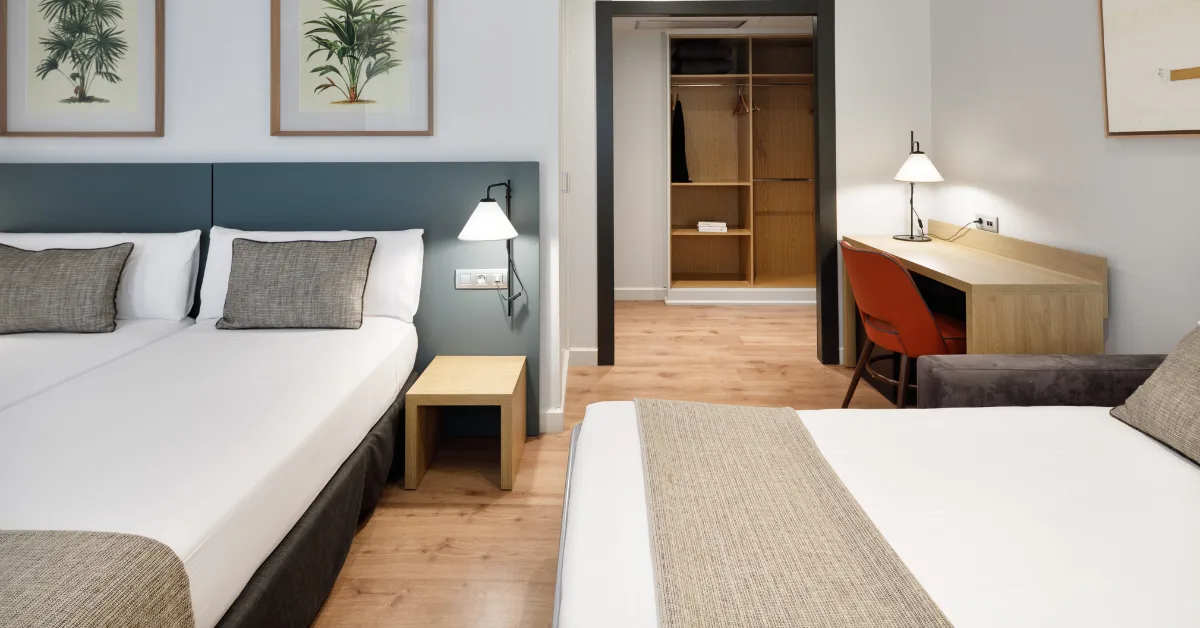
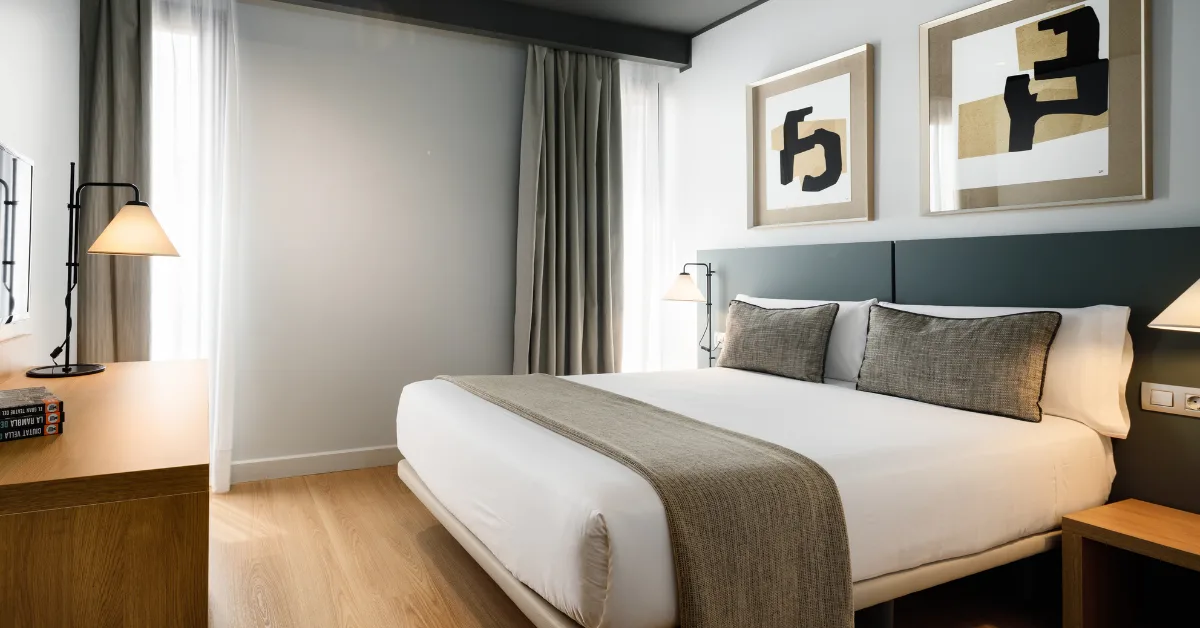
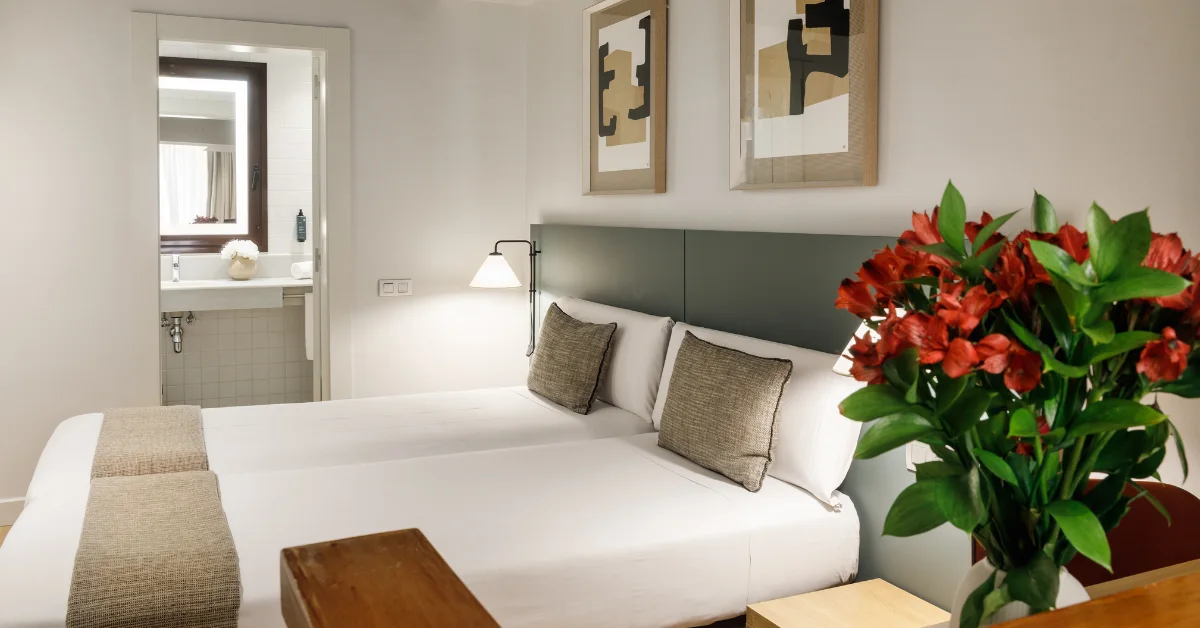
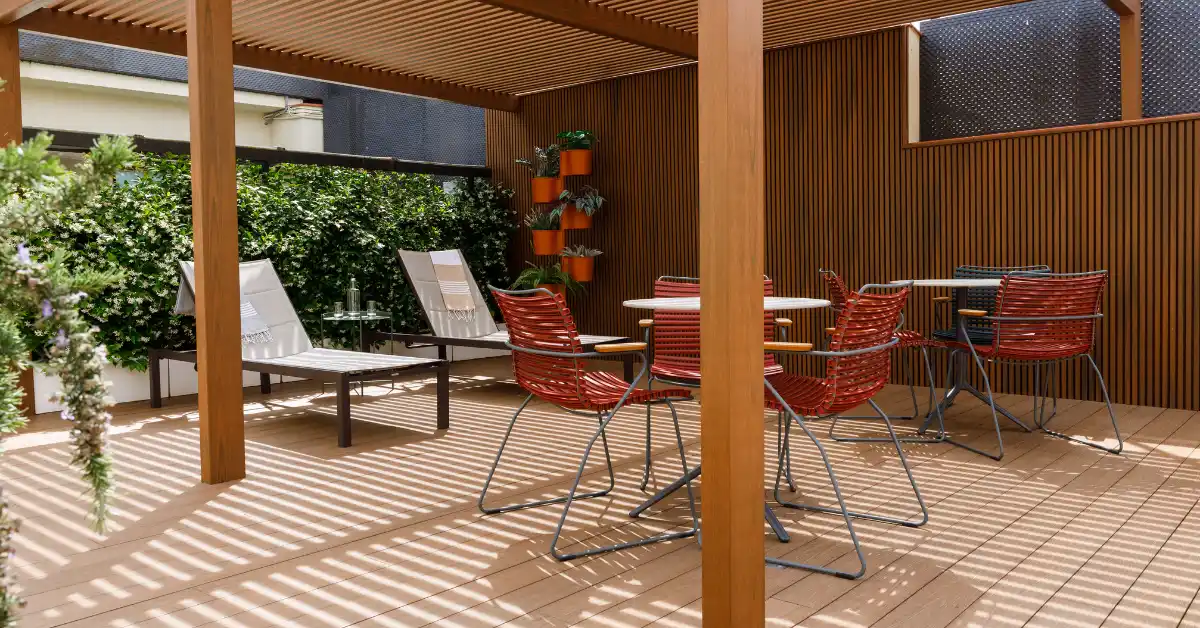
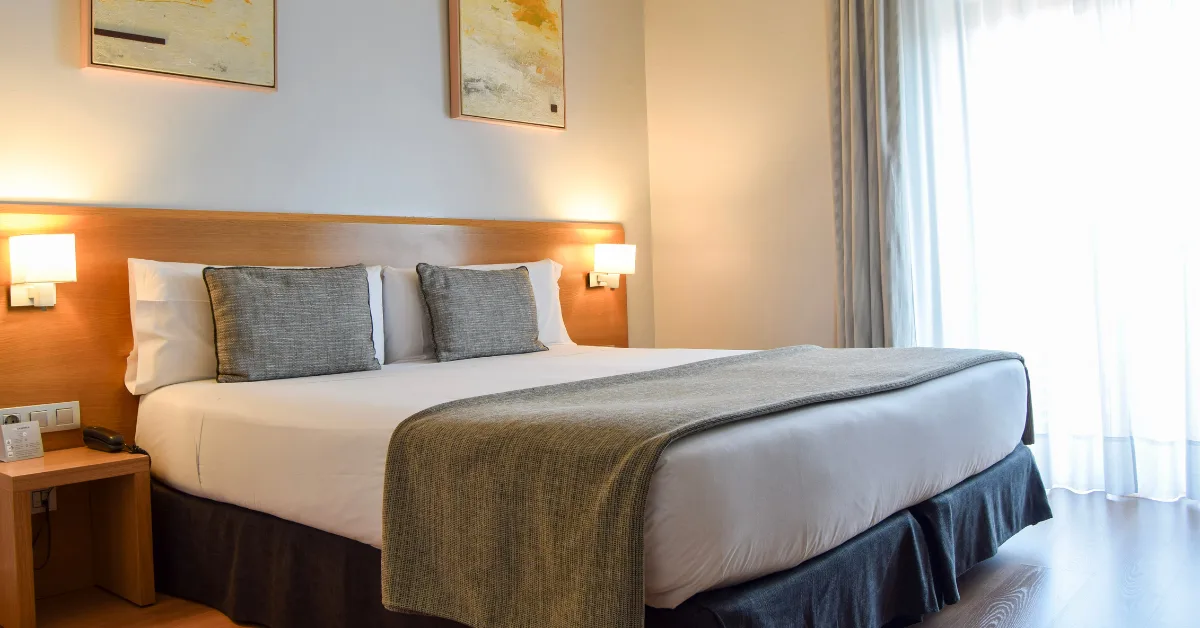
From Hotel Arc La Rambla (La Rambla 19-21, next to Drassanes metro, L3), the MUHBA is a pleasant 12-15 minute walk up Las Ramblas and through the Gothic Quarter’s alleys. A perfect location for starting the day down in Roman Barcelona and going on to discover the Cathedral, Plaça Sant Jaume and the whole old town, before returning to the hotel, steps from the harbour and La Boqueria.
💡 Book on our website with the code ARCBLOG and enjoy a special perk as a blog reader.

MUHBA — frequently asked questions
How much does it cost to enter the MUHBA?
General admission costs €7, with a reduced rate of €5 for under-29s, over-65s, the unemployed and other groups. Under-16s enter free, as does everyone on Sundays from 3 pm and all day on the first Sunday of the month. The ticket gives access to the whole Plaça del Rei complex and is also free with the Barcelona Card.
What are the MUHBA opening hours?
The Plaça del Rei site opens Tuesday to Saturday from 10:00 to 19:00 and Sundays from 10:00 to 20:00. It’s closed on Mondays, 1 January, 1 May, 24 June and 25 December. Other sites of the museum have their own timetables.
What can you see at the MUHBA?
Its great draw is the underground site of around 4,000 m² of Roman Barcelona (Barcino), where you walk among streets, a dye works, a fish-salting factory and remains of the city wall. The visit also includes medieval spaces such as the Palau Reial Major, the Saló del Tinell and the Chapel of Santa Àgata. The MUHBA also has other sites across the city.
When is the MUHBA free?
Admission is free every Sunday from 3 pm and all day on the first Sunday of each month. It’s also free for under-16s and with the Barcelona Card, among other groups.
How do you get to the MUHBA?
The main site is at Plaça del Rei, in the Gothic Quarter. The nearest metro is Jaume I (Line 4), a 2-3 minute walk; Liceu and Catalunya (L1/L3) also work. It’s next to Barcelona Cathedral and a few minutes from Las Ramblas.


